Exploring Alternatives to Buy Bing Backlinks

97.86% of online pages get no Google traffic, and studies reveal most URLs hold no more than three backlinks. This scarcity makes high-authority backlinks both scarce and worth significantly more.

This Resource is About Buy Relavent Backlinks
For B2B marketers, search visibility is critical for revenue. About 66% of buyers turn to search while researching, and 67% of the buyer journey happens online. SEO visitors tend to convert 59% better than paid-search visitors, making careful link spending a major lever for cutting CAC and increasing pipeline performance.

Securing strong backlinks without payment is often challenging. Editorial placements on outlets like Forbes or The Washington Post often require months of outreach. In contrast, cheap mass-link offers from PBNs and link farms can be highly risky. Treat link buying like a media buy, where you pay for editorial placement, distribution, and exposure. The URL is merely the final delivery path.

Google discourages paid links that pass PageRank, so buying links must be done with caution. A reputable link vendor and a strict SEO link acquisition framework help avoid penalties while preserving SEO value. Expect to pay market rates, with surveys indicating acceptable prices around $509 per quality backlink. Digital PR placements typically cost between $1,250 and $1,500.

If you plan to buy high authority backlinks, focus on careful due diligence, transparent reporting, and contract clauses that preserve editorial standards. A reputable vendor can expand backlink acquisition while ensuring brand safety and long-term SEO goals.

Why Backlinks Matter For SEO And Revenue

The web is a web of endorsements, with search engines and AI systems judging trust and relevance through links. Studies from Ahrefs and RockingWeb reveal most pages lack organic traffic without backlinks. This highlights the importance of strong backlinks for discoverability and long-term visibility.

Backlinks As A Core Ranking Signal

Search engines regard external backlinks as trust signals. Pages with more referring domains tend to rank higher and attract more clicks. Editorial links from trusted publishers increase perceived authority in algorithms and large language models. This is why backlink building strategies are important for technical SEO and content planning.

Buy Backlinks Online

Backlinks And Business Outcomes

Organic traffic often turns into leads and sales more efficiently than paid channels. SEO fuels the top of the funnel for B2B buyers researching products online. Thoughtful link acquisition supports more credible organic backlinks to cornerstone content, improving conversion rates and pipeline efficiency.

How Much Companies Spend And Why It Matters

Marketing teams view link buys as measured media. Benchmarks show B2B marketers allocate about a quarter of SEO budgets to link building. High-quality backlinks cost around $509, while premium digital PR placements range from $1,250 to $1,500. These investments show a preference for measurable results rather than shortcuts.

Careful purchasing decisions are vital. Firms framing paid placements as sponsorship or PR can decrease compliance exposure under search policies. Smart budgets, paired with clear tracking and attribution, make the best way to buy backlinks an investment in rankings and revenue.

Best Way To Buy Backlinks

Paid links are most effective when viewed as a media investment. Establish clear goals for audience reach, referral traffic, and conversion rates before investing. Monitor organic page visits, demo requests, and pipeline contributions to gauge success. This approach ensures marketing and SEO teams can measure their efforts effectively.

Treating paid links as media buying rather than a shortcut

View PR, sponsored content, and editorial placements as promotional activities that may contain links. These strategies boost real visibility and can lead to natural referrals. Buying high authority backlinks in this manner ensures they are connected to genuine visibility instead of manipulation.

Safer forms of paid links and associated risk

Lean toward premium editorial backlinks, niche sponsored posts, selective directory listings, and guest posts on reputable sites. Digital PR and data-driven campaigns tend to generate links that mimic earned media. Avoid PBNs, bulk dofollow packages, and obvious link farms due to their high algorithmic risk.

Due diligence for vendors and contract protections

Request raw exports of recent placements and review the lowest-quality examples carefully. Ensure URLs, topical relevance, organic traffic signals, and confirmation of in-body placement. Demand anchor text approval, replacement options, and refunds for low-quality or removed placements.

Placement Type Risk Profile Typical Cost Range When To Use
Premium editorial backlinks Lower risk High Brand campaigns and data-driven PR
Paid content placements on niche sites Medium risk Medium Reaching targeted readers with relevant context
Editorial guest posts on quality blogs Generally low to medium Low to medium Brand expertise and asset amplification
Targeted directory listings Minimal Budget-friendly Local SEO and niche directories
PBN packages and bulk links Severe Low cost Best avoided

Choose an effective link building service that offers transparency and contractual protections. Ensure vendors document sponsored or nofollow links and clearly state risk levels. Gradually release placements to mimic organic growth and prefer branded or natural anchors to avoid over-optimization.

When budget is a concern, weigh quality against cost by considering niche sponsorships or industry partnerships. The optimal approach to buying backlinks combines safe paid placements with earned outreach. This strategy enhances both traffic and measurable pipeline outcomes.

How To Vet And Buy Quality Backlinks From Trusted Providers

Buying links is a detail-heavy exercise. Begin with a detailed brief that aligns target pages with buyer intent and ideal anchor patterns. Frame acquisitions as media investments: start with small pilots, focus on measurable outcomes, and include contractual safeguards.

Main criteria for assessing domains and placements

First, assess topical relevance. A site that aligns with your industry or related topics is more beneficial than a high DR site that’s unrelated. Use tools like Ahrefs or SEMrush to verify organic traffic trends. Also, evaluate editorial quality: links within relevant articles are more valuable than those in footers or sitewide.

Agree on anchor text beforehand. Opt for branded and natural anchors, saving exact-match anchors for tested scenarios. Request screenshots and recent exports from vendors to quickly identify low-value pages.

Signals that should put you on alert

Steer clear of offers that seem too good to be true or come in bulk with identical anchors. Such deals often involve PBNs or link farms. Be cautious of vendors who refuse to share placement URLs or recent export data.

Be cautious of sites with no organic traffic, odd content mixes, sudden link spikes, or tight interlinking among low-quality domains. Also, watch out for over-optimized anchors that repeat exact-match phrases.

Measuring results and linking backlinks to revenue

Conduct a foundation audit before making a purchase. Tag and disavow toxic links to prevent contamination of your metrics. Test small purchases for 30–90 days: measure performance, then scale successful strategies.

Focus on tracking metrics that resonate with stakeholders: organic landing page sessions, demo requests, assisted conversions, and pipeline influence from newly placed pages. Use CRM and Google Analytics to correlate page-level improvements with meetings and opportunities.

Include contractual protections in your agreements. Demand placement URLs, screenshots, disclosure of rel attributes, and replacement or refund clauses if links are removed or resold at scale. Combine paid placements with outreach efforts from SDRs and PR teams to enhance earned attention and the value of quality backlinks.

Alternatives And Complementary Strategies To Buying Links

Paid placements can produce faster wins. Combining these with earned and content-focused methods enhances resilience. Below, we explore workable tactics that integrate digital PR, creative assets, and strategic guest outreach. These approaches aim to increase organic backlinks and diversify link building tactics.

Digital PR And Earned Editorial Coverage

Invest in data-driven stories, reports, and thought leadership to attract media attention. Target outlets like The New York Times, Forbes, and trade publications. Well-researched pitches via HARO or direct outreach can secure natural links from authoritative sites.

Building relationships with journalists and niche editors is vital for ongoing coverage. These earned citations reinforce credibility, unlike paid placements. They also carry less risk than buying dofollow links.

Creating Linkable Assets And Content-First Approaches

Original research, interactive tools, infographics, and in-depth case studies draw links when promoted effectively. A single compelling asset can attract dozens of organic backlinks over time.

Use social media and targeted outreach to boost visibility. Analyze results with Ahrefs, SEMrush, and Google Search Console. This helps identify which assets attract links and which need more promotion.

Guest Posts, Partnerships, And Slow, Strategic Buys

High-quality guest posts on relevant sites deliver referral traffic and backlinks, expanding audience reach. Focus on editorial value and relevance over quantity when guest writing.

Combine guest content with low-risk, slow paid placements to enhance authority. Start with small pilots, measure impact, and scale only when results are clear. This approach accelerates authority growth.

Adopt a hybrid model: diversify link sources with social signals, forum mentions, and directory entries. This creates a natural-looking link profile. An effective link building service can manage PR, content, and measured buys, balancing growth and risk.

Keep campaigns affordable while maintaining quality by monitoring costs and outcomes. Use a CRM to map links to business outcomes. Adjust strategies based on what drives leads and revenue.

Conclusion

Backlinks are key for organic visibility and revenue, especially in B2B where search drives purchase decisions. The best approach to buying backlinks is to treat it like a media buy. This means paying for distribution, audience, and exposure, not for hidden PageRank manipulation.

Buying links can improve perceived authority, but it comes with risks. Google pushes back against paid links that pass PageRank. To minimize risks, focus on editorial placements, digital PR, sponsorships, and content distribution. Choose a reliable backlink provider and ensure they offer transparency. This includes details on placement URLs, traffic metrics, and anchor text controls.

Start by auditing your current links with tools like Ahrefs or SEMrush. Remove any toxic links. Establish a policy for paid placements and how to handle rel attributes. Test link buys over 30–90 days, tracking sessions, demo requests, and pipeline contributions. Only use seo backlinks services after thorough research, and require vendors to provide raw exports of placements.

Invest in quality backlinks and digital PR placements. Diversify your link types and focus on content first. View link buying as a measurable investment. When done as disciplined media buys, it becomes a valuable part of a well-rounded SEO strategy.


Related: Supporting Content About Buy Bing Backlinks

BRI Facilities Connectivity and Green Infrastructure Standards

Unexpected fact: By October 2023, the initiative extended to 151 countries, representing around $41 trillion in GDP and about 5.1 billion people — a scale that reshaped global trade routes. In this context, “facilities connectivity” describes how Beijing financed and delivered cross-border systems—ports, rail, and digital links—that connect regions. This intro outlines what was aimed for between 2013 and 2023, what got built, and where controversies rose.
BRI Facilities Connectivity
Expect a brief trend review: first an early megaproject surge, then a turn toward greener, smaller, and more digital initiatives. We’ll map the policy toolkit, corridor planning, financing patterns, and who benefited.

This article will weigh the central tension: infrastructure as a development opportunity versus concerns about debt, governance, and geopolitics. Examples such as CPEC/Gwadar, Indonesia’s high-speed rail, and the Port of Piraeus anchor the analysis.

Belt And Road Facilities Connectivity In Context: What The Belt And Road Initiative Sought To Achieve

When Xi Jinping introduced the New Silk Road in 2013, he reframed infrastructure as a vehicle for shared growth across continents.

Origins And The New Silk Road Narrative

President Jinping used the Silk Road label to build legitimacy and secure partner buy-in. That name helped unify and rebrand many national plans under a single global program.

Scale And Reach As Of October 2023

By October 2023, the Belt and Road Initiative reached 151 countries, covered about $41 trillion in combined GDP, and connected roughly 5.1 billion people. That scale made it a system-level force rather than a regional push.

Why “Connectivity” Became The Umbrella Goal

Connectivity combined transport, energy, communications, investment flows, and people movement into a single policy narrative. The logic was simple: lower time and cost for trade, expand market access, and make cross-border movement more predictable.

Measure Value Role
Countries 151 Program reach
Combined GDP $41 trillion Market scale
People reached ≈5.1 billion Social impact

The chinese government framed the road initiative as a platform that uses state finance, SOEs, and diplomacy to deliver projects at scale. Ambition was obvious, but formal policy blueprints were needed to translate vision into real corridors on the ground.

From Vision To Implementation: The Policy Blueprint That Guided BRI Connectivity

The 2015 action plan framework converted a broad policy aim into a clear operating manual for cross-border work. It outlined steps that made planning, finance, and people exchanges practical for a wide range of projects.

Belt and Road Facilities Connectivity

The 2015 Action Plan Targets

The plan listed four targets: improve intergovernmental communication, align infrastructure plans, build soft infrastructure, and deepen people-to-people ties.

Intergovernmental Coordination

Stronger coordination meant national plans aligned at key stages. That reduced political risk and made projects less likely to stall after leadership changes.

Aligning Transport And Energy Systems

Plan alignment focused on linking transportation systems and power grids across borders. This approach aimed to feed industrial zones and urban growth with reliable routes and energy.

Soft Infrastructure And Financial Integration

Soft infrastructure included trade deals, harmonized standards, faster customs, and financial integration to ease cross-border payments and capital flows.

People-To-People Connections

Education exchanges, joint research, and tourism created the human networks needed to staff and sustain long-term projects.

Priority Main Step Expected Result
Coordination Intergovernmental platforms Fewer abrupt policy reversals
Plan alignment Transport & power mapping Connected routes, steady supply
Soft infrastructure Trade rules and finance links Smoother cross-border trade
People ties Scholarships and exchanges Local capacity and trust

How The Silk Road Economic Belt And The 21st Century Maritime Silk Road Shaped Routes

Two route systems—overland corridors across Eurasia and maritime networks at sea—set the spatial logic for major investments. This twin-track approach guided where capital, equipment, and construction teams concentrated over the past decade.
Belt and Road Financial Integration

Overland Links Across Eurasia And Central Asia

Overland corridors centered on rail, highways, and pipelines crossing Central Asia. These corridors aimed to shorten transit times for exporters and reduce reliance on long sea voyages.

Rail links through Central Asia became crucial as a bridge between producers and markets. Planners often wrapped towns, terminals, and logistics parks into corridor plans.

Maritime Logistics: Ports, Sea Lanes, And Hinterland Links

The maritime silk road approach translated into three operational parts: port expansion, use of major sea lanes, and inland links that make ports useful. Ports acted as hubs where ships connect to rail and road for last-mile goods movement.

Why Connecting Land And Sea Routes Mattered

Linking routes built strategic redundancy. If chokepoints threatened shipping lanes, overland routes could reroute traffic and keep goods moving.

Reliable route options increased predictability for shippers. That helps firms plan inventory, reduce buffer stocks, and stabilize supply chains.

  • Two-route architecture focused capital on nodes that link land and sea.
  • Corridors converted route maps into bundled investments—ports, terminals, rails, and customs nodes.
  • On-the-ground projects needed financing, regulation, and operators working in concert.

Economic Corridors And Facilities Connectivity: What “Corridor Development” Meant In Practice

Building an economic corridor meant pairing hard works—roads, rail, ports—with softer measures that make places productive.

Corridor development in practice was a package: transport links, logistics nodes, industrial clustering, and policy changes that ease trade. The goal was to turn transit routes into engines of local growth.

Corridors As More Than Physical Infrastructure

Productive integration explains this plainly. Manufacturing, power supply, and distribution networks were aligned so corridors created jobs and exports, not just transit fees.

Planners included warehouses, customs hubs, and special zones to capture value close to the route. That helped move goods faster and supported local firms.

Where Corridor Planning Connected With Local Development

Local strategies—industrial parks, city-region plans, and land policy—aimed to capture spillovers from corridor projects.

Component Goal Risk Factor Example
Transport buildout Shorten travel time Underuse if demand lags CPEC bundles multiple asset types
Industrial clusters Create jobs, exports Poor zoning blocks growth Special zones near terminals
Regulatory changes Faster customs and licensing Reform delays reduce benefits Local alignment of trade rules

Over time, the focus shifted from raw construction to utilization, revenue models, and long-run competitiveness. Corridor-scale work is capital-intensive and typically needs state-linked finance and strong political coordination to move forward.

Financing The Connectivity Push: Chinese Banks, Institutions, And Competitive Bidding

Cheap, patient capital from Chinese policy banks changed which projects could start and which stalled. That funding model was central to how many large transport and port projects advanced between 2013 and 2023.

Two policy lenders—China Development Bank (CDB) and the Export-Import Bank of China (EXIM)—received major capital injections. Their bonds trade like government debt and they can tap People’s Bank liquidity. This gave them low borrowing costs and flexible terms.

The result was that Chinese SOEs won many bids by offering attractive finance packages. From 2013 to 2023, roughly $1 trillion in investment and construction deals were signed with partner countries. That scale made cheap credit a defining characteristic of the initiative.

Competitive bidding often depended on finance terms as much as technical offers. Recipient governments sometimes preferred faster, less-conditional loans over longer, conditional multilateral options.

Yet financing didn’t remove implementation risk. Indonesia’s high-speed rail offer won on strong Chinese investment and credit, but land acquisition and licensing delays slowed progress.

Beyond contracts, the model supported industrial policy: steady overseas pipelines kept SOEs busy and built execution experience. In turn, finance capacity shaped which sectors dominated early work—transport, energy, and port infrastructure—setting up the next phase of outcomes.

Past Project Patterns: Transportation, Energy, And Ports That Anchored Facilities Connectivity

Early project patterns clustered around three physical pillars: transport routes, power buildouts, and major seaports. That mix made routes practical for trade and connected inland production to overseas markets.

Flagship Corridor Case: The Kashgar–Gwadar Link

The China-Pakistan Economic Corridor runs roughly 3,000 kilometers from Kashgar to Gwadar. This project bundles highways, rail, pipelines, and optical cables to give inland China faster maritime access.

Multi-Asset Packages

Corridor packages combined transport nodes with power plants and digital links. Putting roads, rails, fiber, and grid works together shows how infrastructure went beyond single projects.
People-to-People Bond

Energy-First Investment Patterns

Many corridors prioritized energy. Large power plants and grid upgrades often came before industrial parks so factories would have reliable supply.

Ports And Strategic Nodes: Gwadar And Piraeus

Gwadar was leased to a Chinese ports operator until 2059, but rollout lagged: airport and free-zone schedules slipped and usable acreage remained small in 2023. That slowed cargo flows and local benefits.

By contrast, COSCO’s majority stake in Piraeus gave operators direct control and a foothold in European logistics. These two examples show how ownership and execution shaped real gains.

When energy, transport, and port works align, corridors cut costs and speed goods movement; when they misalign, utilization and benefits lag.

Economic And Trade Effects: How Connectivity Initiatives Influenced Growth And Integration

Shorter transit routes and smoother border processes made new markets reachable for many exporters. Reduced shipping time lowered logistics costs and improved delivery predictability.

Firms could lower inventory buffers. That boosted the appeal of exporting manufactured goods to farther markets and supported trade growth at a regional scale.

How Moving Goods Faster Changed Trade

Lower transport costs and steady schedules raised the volume of traded goods on several corridors. Faster delivery made perishable and time-sensitive products viable for export.

Measured effects included shorter lead times, cheaper freight per unit, and higher shipment frequency for certain routes.

Financial Integration: RMB Use And Bond Issuance

Issuing bonds in RMB and promoting local currency use reduced currency friction. That helped buyers and lenders avoid expensive conversions and created deeper capital links.

RMB-denominated instruments also made Chinese investments easier to price and finance across borders.

Route Mechanism Likely Effect Illustration
Transport upgrades Shorter routes, better terminals Lower freight costs, quicker delivery Rail and port packages
RMB bonds Local issuance, currency swaps Lower exchange risk, deeper markets RMB bond programs
SOE export of capacity Deploying overcapacity abroad Increased project supply, lower prices Steel & construction exports

Domestic Drivers And Regional Reshaping

Behind the projects were domestic aims: keeping state firms busy, exporting excess steel and cement, and deploying large national savings overseas.

Over time, expanding links can shift regional trade patterns and deepen some countries’ economic reliance on a major partner. That reshaping can lift productivity but also increase political leverage.

Partner countries can gain jobs, better logistics, and growth when projects fit local needs and governance is strong. But benefits hinge on sound project selection, transparency, and complementary reforms.

Scale creates both upside and risk. The same forces that raise trade and financial integration also amplify concerns about debt, governance, and underperforming projects—issues explored next.

Constraints And Controversies That Shaped Outcomes In The Past Decade

A mix of financial strain, governance gaps, and execution problems shaped how many projects performed across partner countries. These limits forced policy shifts and changed public perceptions of large-scale investment programs.

Debt Stress And Warning Cases

Sri Lanka and Zambia became cautionary examples. Debt strains and repayment worries shifted political debate and led some governments to renegotiate or halt deals.

“Repayment pressure can reshape public opinion and force governments to reconsider long-term commitments.”

Governance And Corruption Risks

Weak oversight raised value-for-money concerns. Low 2022 CPI scores—Turkmenistan (19), Pakistan (27), Sri Lanka (36)—help explain recurring worries about transparency and fraud.

Execution Bottlenecks And Underperformance

Typical delays stemmed from land acquisition, licensing, procurement disputes, and cost overruns. Indonesia’s high-speed rail missed early targets due to those factors.

Kenya’s railway stopped short of the Uganda border, and a parliamentary review found rail freight could cost more than road transport. Incomplete networks lower returns and spark political backlash.

Constraint Case Impact Policy Response
Debt sustainability Sri Lanka & Zambia Renegotiation, public protests Loan-term review
Governance risks Low CPI ratings Value-for-money concerns Transparency initiatives
Execution delays Indonesia rail Cost overruns; slow utilization Tighter procurement rules
Underutilization Kenya rail shortfall Reduced economic returns Project reappraisal

Geopolitics And A Pandemic-Era Slowdown

Geopolitical skepticism from the U.S. and some allies reduced high-level participation and nudged some countries away from large deals. Italy, for example, signaled shifting interest.

Investment flows also dropped: outbound construction and investment in 2022 were $68.3B, down from $122.5B in 2018. That ~44% decline showed a clear momentum shift.

Taken together, these constraints forced adaptation and set the stage for a 2023 pivot toward greener, digital, and integrity-focused cooperation.

How BRI Connectivity Began Evolving By 2023: From Megaprojects To Green & Digital Links

By 2023, the playbook had clearly shifted from headline megaprojects to targeted, lower-risk efforts. The white paper released in October framed the shift as a move toward smaller projects that emphasize sustainability, tech collaboration, and cross-border digital trade.

Signals From The 2023 White Paper And Forum Priorities

The 2023 white paper and the Third Forum emphasized a multidimensional network rather than one-off giants. Xi listed commitments emphasizing green development, science and technology cooperation, and stronger institutions.

New Emphasis: Green Development, Science And Technology, E-Commerce

Green development responds to environmental critiques and tighter financing. Smaller renewable projects and upgrade work can be approved and funded faster, with clearer permits and lower social backlash.

Digital and e-commerce links widen the initiative’s scope. Data flows, platforms, and cross-border trade systems now sit alongside ports and rails as core parts of future integration.

Institution-Building And Integrity-Based Cooperation

More focus on integrity and institution building aims to manage debt and transparency risks. Stronger procurement rules, compliance checks, and joint oversight reduce political and financial friction for partners and lenders.

AI Governance And Shaping Rules

The Global Initiative for Artificial Intelligence Governance signals a shift toward setting norms, not only building assets. Rule-making in AI and standards work can shape influence in the 21st century as much as physical projects once did.

Implication: This shift changes how partner countries measure success. Future influence may come from greener projects, digital platforms, and shared rules—tools that are harder to quantify but may prove more durable.

Conclusion

Summary: Years of rapid projects reshaped routes and cut trade frictions, but outcomes differed by country. Success depended on clear economics, strong governance, and timely delivery.

Over the decade the belt road approach moved from big, hard infrastructure builds to a more selective, reputation-aware agenda. By 2023, the initiative emphasized green work, digital links, and stronger institutions.

Core mechanisms to remember are route architecture (land and sea), corridor development logic, and financing driven by policy lenders and state firms. Major controversies—debt stress, corruption risks, execution delays, and geopolitical pushback—drove the shift.

What to watch next: green project pipelines, e-commerce platforms, and AI governance. For U.S. audiences, this evolution matters for standards, supply-chain routing, port influence, and the competitive landscape for development finance.

Related: Key Projects Powering Belt and Road Facilities Connectivity Across Asia and Beyond

Grease Trap Cleaning Downey: What Your Health Inspector Looks For

Have you heard that well over 80% of sewer system blockages in commercial zones originate from food-service businesses? These backup-causing clogs often come from fats, oils, and grease (FOG) accumulation that could have been stopped with scheduled upkeep.

Go To Website Of Grease Trap Pumping
Discover More About Grease Trap Cleaning
Continue Reading About Grease Trap Pumping

Every commercial kitchen faces the challenge of managing FOG materials. These substances can trigger major plumbing problems if not handled correctly. Proper management is necessary for consistent operations and regulatory compliance.

Grease Cleaning Pros focuses on helping restaurant operators and commercial kitchens run efficient grease systems. We understand that this type of work isn’t flashy, but it’s absolutely essential. Our team makes the process easy for busy food service professionals.

Neglecting this crucial maintenance can lead to serious headaches. Health code violations, bad odors, and expensive plumbing emergencies are just the beginning. In serious situations, establishments can face temporary closures by local regulators.

This comprehensive guide will guide you through everything you need to know. You’ll learn about how the system works and practical maintenance strategies. We’ll help you understand when DIY approaches work and when to bring in professionals.

Key Takeaways

  • Proper FOG management prevents costly sewer system blockages
  • Consistent upkeep supports health-code compliance
  • Professional service reduces plumbing emergencies and odor problems
  • Knowing your system supports better maintenance planning
  • Timely intervention prevents business disruptions and fines
  • Expert help simplifies complex maintenance requirements
  • Proactive care helps maintain optimal kitchen operations

Understanding The Role Of Grease Traps In Food Establishments

Many restaurant owners don’t realize that their kitchen’s plumbing contains a specialized device designed specifically to capture kitchen byproducts. This equipment plays a crucial role in preventing major municipal system problems.

Grease Trap Cleaning

How Grease Traps Work

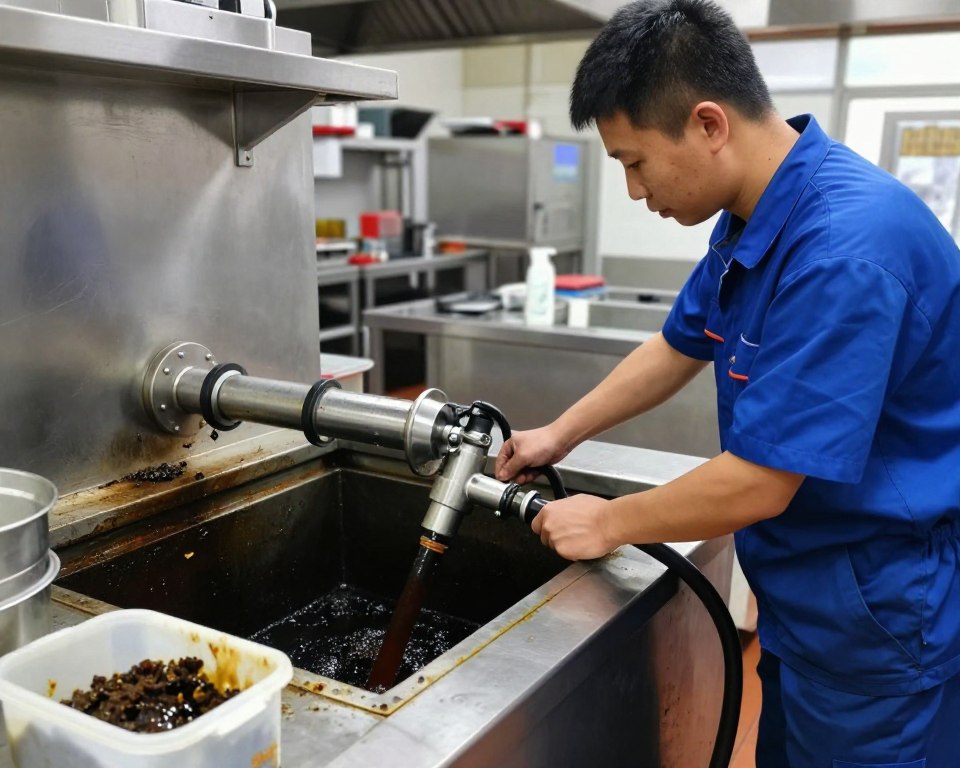
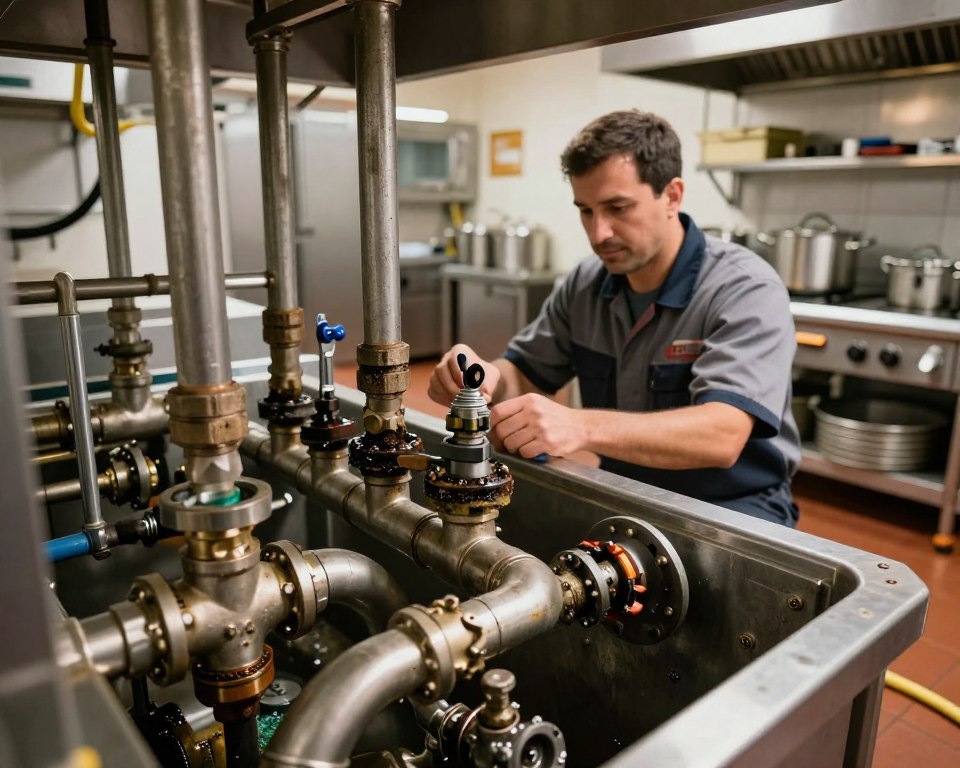
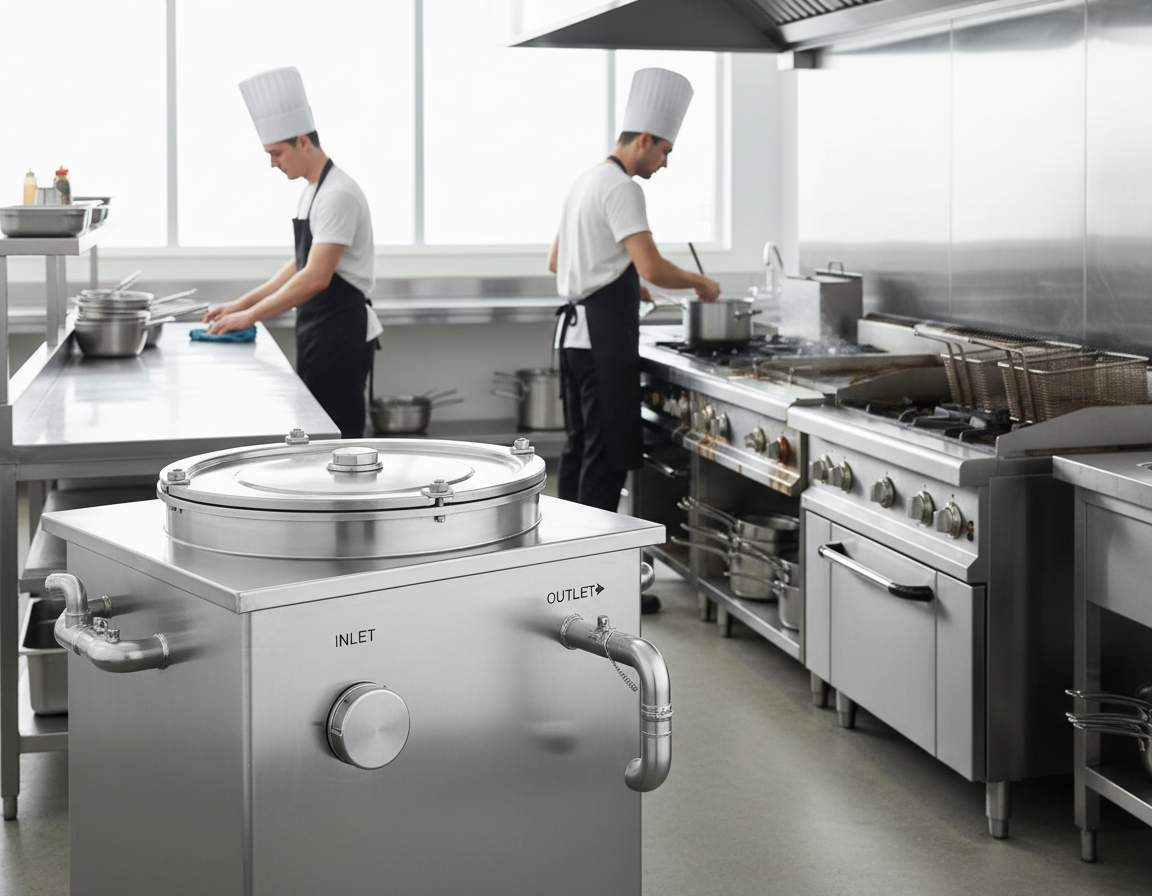
A grease trap functions by reducing wastewater flow, allowing fats, oils, and grease particles to cool and solidify. As these FOG materials separate, they float to the top while heavier solids settle to the bottom.

Internal baffles create separation barriers that prevent the captured materials from entering the outlet pipe. This ensures that only cleaner water continues into the sewer system, protecting your drain lines and municipal infrastructure.

There’s a common misunderstanding that these devices break down FOG. In reality, they simply capture and contain them until a professional service can properly dispose of the accumulated substances.

Differences Between Grease Traps And Grease Interceptors

While both devices serve the same core purpose, they differ significantly in scale and installation. Standard grease traps typically have capacities under 250 gallons and install beneath kitchen sinks.

Grease interceptors handle much larger volumes, with capacities exceeding 5,000 gallons. These larger units usually install outdoors under the ground, serving high-output kitchens with more demanding needs.

Understanding which system your operation uses helps maintain best performance. Proper knowledge ensures you can work effectively with maintenance professionals to keep your kitchen running efficiently.

Preparing For Effective Grease Trap Cleaning

Before tackling this messy task, smart kitchen managers focus on two critical areas: tools and personal safety. Getting set up first makes the entire process smoother and safer overall for everyone involved.

Gathering Your Tools, Equipment, And Supplies

Having the right tools on hand is critical. You will need a specific set of items to handle the task properly and dispose of waste correctly.

  • Wet/Dry Vacuum: To remove liquids and solids quickly.
  • Ladles and Scoops: Ideal for manual removal of solidified material.
  • Buckets and Airtight Containers: required for temporary holding and proper disposal of FOG waste.
  • Scrub Brushes: For scrubbing the interior walls of the tank.

A simple preparatory step involves running cool water through the system for about ten minutes. This helps fats and oils harden, making them much easier to remove later.

Implementing Safety Measures And PPE

Safety should never be an secondary concern. The environment inside these units can harbor harmful bacteria and present hazards.

Always wear full personal protective equipment (PPE) before starting. This includes thick gloves, protective goggles, a nose plug, and protective coveralls. This gear protects you from splatter, bad smells, and direct contact with unsanitary waste.

It’s also wise to have the contact information for a licensed plumber readily available. This ensures professional help is on hand if you encounter unexpected issues, like damaged baffles.

For smaller units under sinks, a DIY approach is possible. However, for most commercial kitchens, professional services eliminate the mess and cleanup, safety concerns, and significant time commitment.

Grease Trap Cleaning – Step-By-Step Techniques

Following a step-by-step approach ensures your FOG control unit functions at its best between professional services. This hands-on guide breaks down the procedure into clear, manageable stages.

Initiating The Cleaning Process

Begin by donning your protective gear and running cool water through the system for about 10 minutes. This cooling period helps FOG materials harden for easier removal.

Carefully remove the lid using appropriate tools. Metal covers might need a crowbar or wrench, while plastic lids typically come off easily. Always work cautiously to avoid damage.

Efficient Removal Of FOG And Debris

Use a ladle to skim the hardened film sitting on the water’s surface. Move this material in air-tight containers for proper disposal in line with local regulations.

Move on to a wet/dry vacuum to pull out any remaining liquid and solid particles. Ensure all kitchen drains are off during this process to stop refilling.

Scrub the interior walls, lid, and baffles with warm soapy water using a stainless scrubber. This removes residue and prevents unpleasant odors from developing.

Complete the job by pouring a gallon of warm water down the drain to clear the system. Even water flow indicates successful maintenance. Reinstall all components firmly once complete.

Although these steps work for under-sink units, larger systems often require professional grease trap cleaning services that take care of it all efficiently.

Maintenance Strategies For A Healthy Kitchen

Proactive maintenance for your establishment’s drainage infrastructure pays dividends in operational efficiency. Consistent attention helps prevent unexpected shutdowns during rush periods.

Consistent servicing eliminates unpleasant smells that can drive customers away. It also discourages pests that undermine your establishment’s hygiene standards.

Preventing Clogs And Unwanted Odors

Create a routine schedule based on your kitchen’s specific needs. High-volume operations with multiple fryers often demand more frequent attention.

Avoid dumping cooking oil down sinks or toilets. Use designated containers for safe disposal instead. Minimize garbage disposal usage to avoid food particles from collecting.

Steer clear of using soap or degreasers that can liquefy materials. This undermines the system’s purpose and leads to downstream plumbing issues.

Routine Inspections And Compliance With Standards

Many municipalities require specific maintenance intervals. Violations can result in costly citations or forced shutdowns by health authorities.

Follow the 30% rule for optimal performance. Service is needed when materials reach roughly one-quarter of the liquid level.

Kitchen Type Recommended Frequency Capacity Threshold
Standard Operations Every 1-3 months 15% capacity
High-Volume (Multiple Fryers) Multiple times monthly 20% liquid level
Small Under-Sink Units Weekly 30% liquid level

Routine professional services maintain compliance while extending equipment lifespan. This proactive approach keeps optimal kitchen operations all year long.

Professional Services By Grease Cleaning Pros

Managing a successful food service business requires focusing on your customers, not plumbing emergencies. That’s where Grease Cleaning Pros offers exceptional value for restaurant owners and commercial kitchens.

Our team keeps scheduling maintenance simple. Use our online booking tools for regular appointments or call our 24/7 emergency line for urgent situations.

Service Overview And Expectations

When our technicians arrive, they kick off with a thorough inspection of your system. This allows us to provide clear, upfront quotes with no unexpected costs.

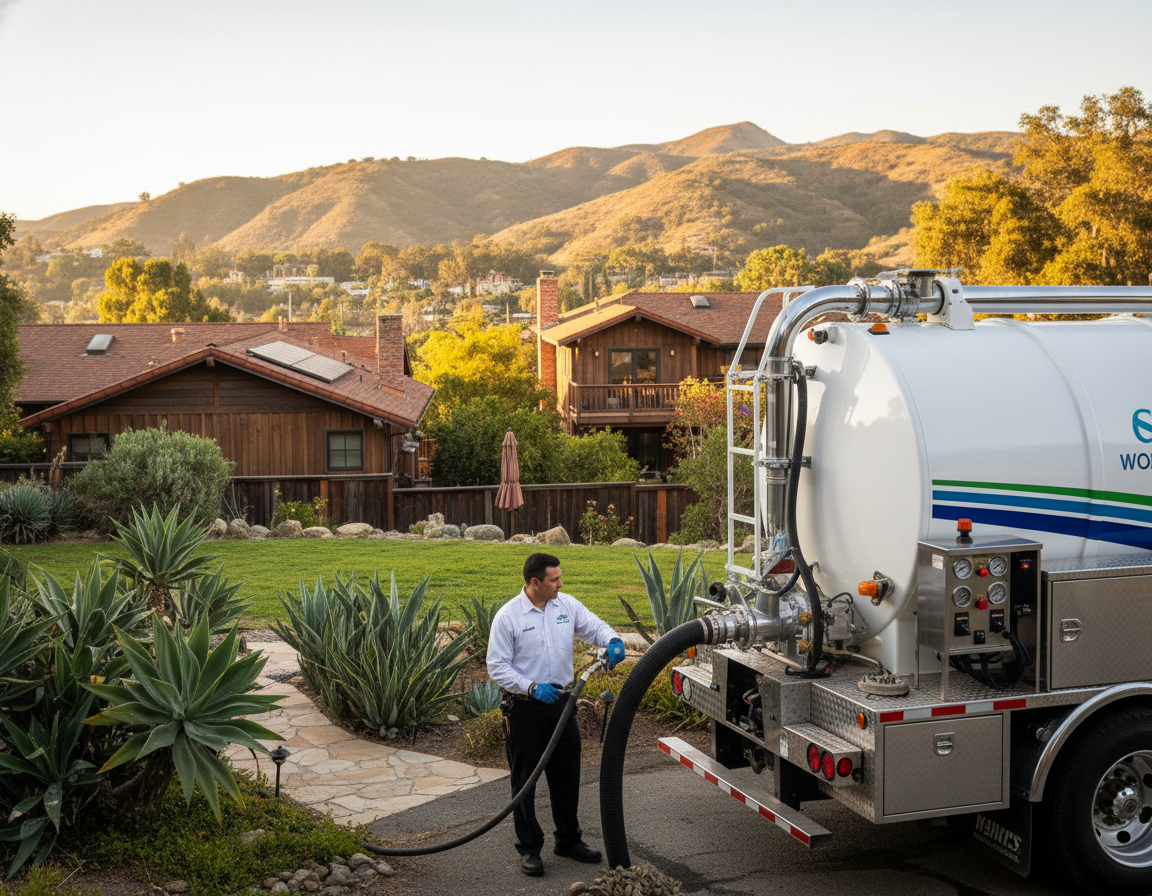
We use high-powered, specialized equipment to efficiently remove materials from your unit. Our truck-mounted storage tanks hold the waste while we clean all components end to end.

During the process, we flag any malfunctioning parts. Most repairs can be completed right away, reducing the risk of future problems.

Benefits Of Partnering With Experts

Perhaps the greatest advantage is proper disposal handling. We haul collected materials to approved facilities, eliminating this challenge for your staff.

Regular maintenance programs ensure your system receives attention at ideal intervals. This reduces emergencies and keeps your kitchen in compliance with regulations.

Given the time savings, safety improvements, and peace of mind, professional service proves highly cost-effective for fast-paced food establishments.

Final Thoughts On Efficient Grease Trap Cleaning

Effective FOG control sets apart successful food establishments from those facing constant plumbing issues. Although this maintenance task might not be glamorous, it’s completely essential for efficient kitchen operations and regulatory compliance.

This guide has covered everything from understanding how these systems work to proper cleaning techniques. Routine maintenance helps prevent costly emergencies and keeps your facility running smoothly. Professional services eliminate the hassle, allowing your team to focus on serving great food.

Review your current maintenance practices today. Are you adequately protecting your plumbing system and preventing odors? Contact Grease Cleaning Pros for a professional evaluation. With the right approach, managing your kitchen’s essential equipment becomes easy and stress-free.

Related: Protecting Your Property Value with Grease Trap Cleaning in Chatsworth

The Social Life of Female Strippers Riverside

Looking for unforgettable entertainment in Riverside, CA? Spotlight Strippers sends high-energy male dancers to your venue. They offer entertainment for bachelorette, bachelor parties, birthday celebrations, and more. Their shows bring energy and a nightclub vibe without the trip downtown.

Go To Website of Female Stripper Riverside

Spotlight Strippers and their exotic dancers cover Riverside and the Inland Empire region. They perform at clubs, homes, and more. Booking is simple via phone or online for last-minute or scheduled events.

Safety and standard rules apply to all bookings. Guests must be 18+, ID checks may happen. Outdoor shows must stay hidden from public view. Shows include music tracks, basic mood lighting, and tipping with cash bills. Fully nude shows depend on local venue policies.

Why Choose Riverside’s Top Male Strippers For Your Event

Choosing the right entertainment is key for any party. Riverside has many options, from stage-style male revues to private bookings. Local agencies focus on quality, being on time, and creating an memorable experience for your event.

Professionalism & safety standards

Agencies in the area work with verified performers who focus on showmanship and guest comfort and safety. They bring speakers and sound equipment, basic lighting, and wardrobe options for a polished show. Hosts can expect age checks, compliance with venue rules, and courteous staff.

Party Strippers Riverside

Customized entertainment for all occasions

Services fit various events like bachelor and bachelorette parties, birthdays, and anniversary celebrations. You can choose from planned shows, private lap dances, themed roleplay, and interactive games. Couples might prefer private shows, while groups enjoy club-style Riverside male revues.

Local coverage and convenience

Entertainers cover the Riverside metro area and the Inland Empire for different events. Booking is easy through phone calls, text, or online forms. Many agencies offer same-day and last-minute bookings. Check local listings for club dates in Norco and nearby venues to see exotic dancers Riverside without a private booking.

Party Strippers Riverside

Riverside Male Strippers

Riverside has a lot to offer for in-home parties and venue nights. Whether it’s a backyard celebration or a night out, you’ll find talented performers. They know how to make the moment memorable. Booking is simple, thanks to local agencies and independent artists.

What To Expect From A Riverside Male Stripper Booking

Expect high-energy dance routines. There will be spotlighted lap dances, party games, and outfit changes. The music adds to the fun, making it feel like a nightclub night.

Performers adjust their act to fit the event’s vibe. You’ll see a variety of looks and styles. Costumes range from basic to over-the-top, depending on the theme.

Packages And Pricing Basics

Agencies offer single-dancer and multi-dancer packages. Prices include add-ons like extended time or premium costumes. Sometimes, there are specials for larger groups or premium choices.

You can book by phone, text message, or online. Confirmations usually come by text for quick replies. Remember, tipping is expected in addition to the booking price.

How Private Shows Compare To Club Visits

Private shows are all about your guest of honor in your chosen spot. They’re more personalized and intimate. You can ask for specific costumes or themes.

Club nights and male revues offer group dances and a lively atmosphere. They feature many performers and follow venue rules. These are great for those who love a party vibe.

Spotlight Strippers Agency Profile And Services

Spotlight Strippers offers top-notch entertainers for private events and venue nights in Riverside and the Inland Empire. They focus on secure, professional performances. Their roster combines seasoned talent with new faces.

Booking is quick, and policies are clear. They cater to both intimate gatherings and large venue events.

About The Spotlight Strippers Team

Spotlight Strippers specializes in male and female performers for Riverside venues. They provide private shows, scheduled club dates, and full male revue productions. Their performers are known for professionalism, dependable arrival windows, and fun choreography.

Services And Specialties

  • One-on-one private shows tailored to guest preferences.
  • Multi-dancer packages for bachelorette and bachelor parties.
  • Party bus entertainment plus cabana/cabana boy appearances.
  • Go-go dancers, bartenders, and choreographed male revue productions.
  • Theme role-play costumes: firefighter, police officer, cowboy, military, construction worker, suit-and-tie, delivery, plus seasonal looks like Santa.
  • Virtual shows for long-distance celebrations plus club-date listings for fans who prefer a Riverside strip club vibe.

How To Book And What To Have Ready

  1. Contact via phone or text for quick confirmations, or use the online reservation form for full package selection.
  2. Provide venue details: address, indoor/outdoor setting, nearest public view, and space dimensions.
  3. Confirm attendee ages and payment method, and ask about deposits and cancellation policies upfront.
  4. Specify any costume or theme requests so entertainers arrive prepared. Plan for music and basic lighting; performers can bring their own setup when needed.
  5. Plan privacy for outdoor events and confirm venue rules if you plan to attend a Riverside strip club for scheduled shows.

For those looking for male stripper services Riverside, Spotlight Strippers offers a wide range of options. You can meet elite male dancers at club dates or request multi-dancer packages. Booking early ensures your event goes without issues and is memorable.

Top Male Dancers In Riverside And Performer Variety

Riverside has a wide range of talent for any event. You can choose from group revues or one-on-one shows. Each performer brings their unique style to the stage.

Different Looks And Backgrounds

Agencies showcase performers from various ethnicities. You can find dancers with athletic builds, muscular builds, or lean builds. This variety ensures your event matches the VIP guest’s preferences.

Performance Styles And Costume Options In Riverside

Dancers perform many styles, from choreographed routines to interactive acts. They wear costumes like firefighter outfits, cowboy looks, and waiter looks. You can even request holiday themes like Santa.

Agencies also offer custom shows and discuss fully nude performances where allowed. Performers aim for safe and respectful interaction while entertaining the crowd.

Featured Revue Shows And Club Dates

Male revue shows with different themes are common in Riverside and Norco. These events let you see the performers live before booking private shows.

Club dates feature group routines and attractive waiters. Check the agency’s listings for upcoming events at Riverside’s strip clubs and other Southern California spots.

Riverside Bachelorette And Bachelor Party Entertainment Ideas

Planning a bachelorette or bachelor party in Riverside is all about fun and planning. Choose a private spot for outdoor events. Make sure hotels allow outside performers before booking.

Start the show after dinner or cake time for the best surprise. Guests will be more relaxed and ready to enjoy.

Talk about age limits and what’s okay with your agency early on. Consider adding a shirtless waitstaff or sexy bartender for a fun reveal. These ideas ensure a safe and enjoyable experience for everyone.

Private House Or Hotel Party Tips

Clear a space for the show that’s out of public view. Arrange seating to face the action and have a photo spot ready. Share a playlist or let performers bring speakers for a smooth transition.

Check hotel rules on noise limits and elevators before you arrive. Ask the agency for arrival times to avoid any hiccups. Keep a small kit with towels, napkins, and tip envelopes handy.

Themed Party Ideas With Male Strippers

Themed parties add excitement and fun. Try firefighter, police-themed, delivery-themed, or cowboy themes for a playful twist. A GQ-style or martini-themed night adds a touch of class.

Use props, shot games, and costume challenges to get everyone involved. Match the music and lights to the theme. These details make the bachelor party in Riverside unforgettable.

Alternative Riverside Entertainment Options

Not all groups want a private show at home. Consider a male revue Riverside club night for a professional stage show. You can also enjoy go-go dancer sets, attractive bartenders, and choreographed shows.

Virtual dancer appearances are great for remote guests. Agencies can offer dancers with bartenders or DJ services for a full night. These options add variety to Riverside adult entertainment and keep the party going.

Booking, Policies, And Legal Notes For Riverside Events

Planning adult entertainment in Riverside needs clear rules and respect. Reserve early and check venue policies before confirming. This guide covers age verification, payment rules, and etiquette for a fun and compliant event.

Age, IDs, and venue policies

Hosts must ensure all guests are of legal age. Private shows need guests to be 18+. Many Riverside strip club events require guests to be 21+.

Entertainers may ask for government IDs at the door. Venues have rules on nudity and staging. Fully nude shows must follow local laws and venue policies.

Outdoor shows must stay hidden from public view to avoid legal trouble.

Cancellation, deposits, and same-day bookings

Agencies for male stripper services Riverside often need a deposit or full payment to secure a date. Confirm payment methods and refund policies when booking.

Some providers allow same-day or last-minute bookings by phone or text. Cancellation policies vary by agency. Ask about rescheduling and any nonrefundable fees before booking.

Tipping and etiquette

Tipping during the show is customary. Cash tips are common and often given directly to performers. Check if service fees or gratuities are included in your package to avoid double payments.

Tell your guests about respectful behavior and boundaries. Bachelorette performers and Riverside male strippers can stop a performance if guests break rules or make them uncomfortable. Clear expectations keep everyone safe and the night enjoyable.

Real Event Examples And Riverside Client Testimonials

Local clients share stories of nights that became unforgettable. Riverside male strippers and exotic dancers bring energy to bachelorette parties, birthday nights, and bachelor celebrations. They perform tight choreography and engage with the crowd.

Here are some highlights that guests remember:

  • Surprise cake reveals timed with a reveal routine that had the guest of honor laughing and cheering.
  • Themed entry skits where costumes and props matched a retro or Hollywood motif for a tight, theatrical set.
  • Interactive lap-dance segments that stayed respectful, followed a script, and matched comfort levels.

Events happen in various Riverside settings. Private homes and Airbnb rentals host intimate shows. Hotel suites and poolside cabanas have bigger sets. Party buses, nightclubs, and venues in Norco and Riverside County handle larger crowds with stage lighting and sound.

Clients praise the attention to detail. They mention on-theme costumes and choreography that matched requests. Reviews also highlight how performers adapt to venue rules and space limits, keeping the energy high without crossing boundaries.

Spotlight Strippers makes planning straightforward. Booking is quick by phone, text, or online form. Teams bring music, basic lighting, and props for theme coordination.

Personal touches are important. Performers focus on the guest of honor, adjust routines on the fly, and follow script points while staying playful. This focus helps create standout moments that feel custom-made.

Those looking for bachelorette party strippers in Riverside often praise the balance between daring and tasteful. Reviews name Spotlight Strippers among the top male dancers in Riverside for dependable service, memorable choreography, and a easy booking experience.

Wrap-Up

Riverside’s private-entertainment scene is packed with options for any celebration. Spotlight Strippers and other local agencies set the standard. They offer everything from Male Strippers Riverside for bachelorette parties to Riverside male strippers for birthdays.

For a full male revue Riverside at a club, professional exotic dancers bring their top energy. They entertain crowds across Riverside and the Inland Empire with their clean routines and energy.

When booking male stripper services in Riverside, make sure to check venue rules and age requirements. Review the package details carefully. Prepare a clear space for the performance and consider going to a club date to see a show.

Agencies usually handle deposits and offer short-notice requests by phone or text. They also have online reservations for your convenience.

Plan ahead for weekend prime dates. Choose performers and packages that fit your event’s tone. Whether it’s playful and fun, daring, or elegant, with the right agency, Male Strippers Riverside can make your event unforgettable. It will fit your budget and leave guests talking long after the night ends.

Related: Find a Glamorous Female Stripper in San Diego: Press and Media Kits

Property Cleanout In Ojai: How To Handle Hoarded Rooms Carefully

Marie Kondo once said, “Cleaning isn’t just about being clean; it’s about feeling happy in that space.” That philosophy guides everything we do. Clearing out unwanted items is more than just a task; it’s a step toward regaining your space and a calmer mind.

This Resource Is About Moving Cleanout In Ojai
For nearly a decade, Dude Where’s My Junk Inc. has been the trusted partner for residents and businesses. We help you smoothly clear out spaces of all sizes. Our team handles everything from small condos to large single-family homes.

From 2014 onward, we’ve built a reputation on reliability and professionalism. With over more than 5,170 verified reviews, our commitment to excellence is clear. We make the process simple and low-stress for everyone.

We offer comprehensive solutions for estate cleanouts, residential decluttering, and commercial space clearing. Our key differentiators include transparent, upfront pricing and same-day service availability. We also prioritize eco-friendly disposal practices.

Getting started is easy. We operate Monday through Sunday, from 8:00 AM to 8:00 PM EST. You can contact us by texting (678) 884-4738 or calling (844) 239-7711. Let us provide you with a personalized solution for your specific needs.

Main Takeaways

  • Dude Where’s My Junk Inc. is a trusted Ojai provider with 5,170+ verified reviews.
  • They’ve served the local community with dependable service since 2014.
  • Services are built to help homeowners, landlords, and businesses remove unwanted items quickly.
  • They handle projects of all sizes, from small condos to large single-family homes.
  • Key advantages include transparent pricing, same-day availability, and environmentally responsible disposal.
  • They’re open Monday–Sunday from 8:00 AM to 8:00 PM EST.
  • Contact options include texting (678) 884-4738 or calling (844) 239-7711 for convenience.

About Dude Where’s My Junk Inc. In Ojai

The journey of Dude Where’s My Junk Inc. began with a simple goal: to provide no-nonsense, fast and efficient junk removal solutions. Our company has grown into Ventura County’s trusted leader in space clearing services.

We make removal easy and budget-friendly while prioritizing eco responsibility. Our mission focuses on exceptional customer care and sustainable practices.

Our unique partnership model connects clients with top-rated local providers. We work with independent contractors to ensure professional service delivery.

Property Cleanout In Ojai

Service Measure Total Achieved Local Impact
Pickups Completed 377,644 Efficient operations
Total Items Removed 796,767 Spaces reclaimed
Charitable Contributions $44,251 Support for the local community

“We build relationships through reliability and transparency—no hidden fees, just honest service.”

Our experienced team handles each project with expertise and respect. Thousands of five-star reviews reflect our strong reputation.

Clients trust our reliable quality across residential and commercial services. We’ve become the preferred partner for all removal needs.

Expert Property Cleanout Service In Ojai

Professional handling of residential and commercial clearing tasks ensures thorough results without the homeowner’s direct involvement. Our professional team brings systematic approaches to every project.

Dude Where’s My Junk Inc. provides full solutions for all types of dwellings. We customize our approach based on each unique situation.

Type Of Property Service Highlights Benefits To Clients
Small Condos & Apartments Compact-space removal techniques Quick results in tight spaces
Multi-Level Townhouses Multi-story clearing strategies Full floor-by-floor service
Single-Family Houses Complete junk removal process Complete space reclamation

Our trained professionals understand the specific challenges of clearing accumulated items. They apply efficient techniques to complete jobs quickly while maintaining quality standards.

The service helps various clients including homeowners preparing for sales and landlords between tenants. Estate executors and property managers also benefit from our comprehensive approach.

We transform overwhelming projects into manageable experiences through customer-focused delivery. Spaces become clean, clear, and ready for their next purpose.

Comprehensive Junk Removal And Disposal Solutions

From initial assessment to final disposal, complete solutions transform overwhelming tasks. Dude Where’s My Junk Inc. offers comprehensive junk removal that handles every aspect from start to finish.

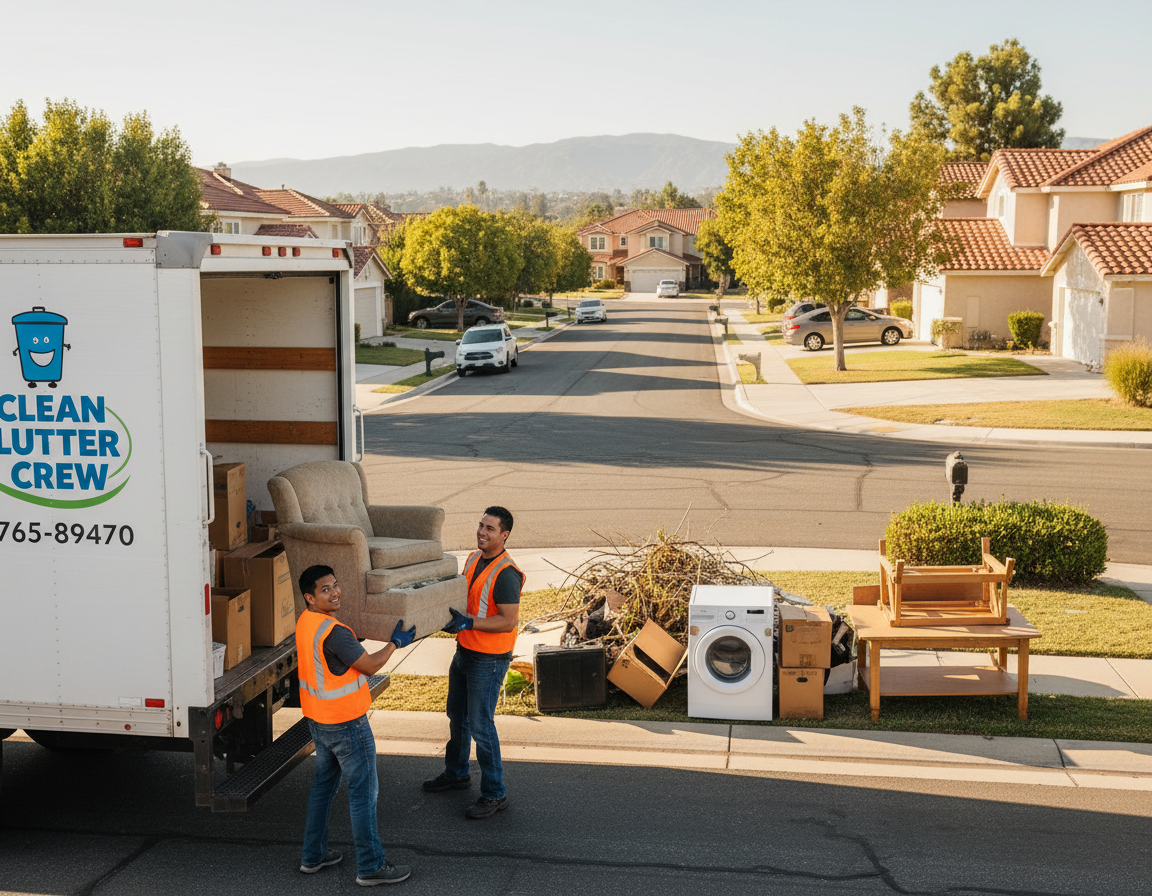
Our approach includes four key components. Hands-on heavy lifting ensures our team handles all physical labor. Efficient loading involves efficient truck packing strategies. Professional transport provides safe hauling to appropriate facilities. Proper disposal guarantees responsible waste management practices.

We accept a wide range of materials including furniture, appliances, and electronics. Clothing, household goods, and construction debris are also handled. Our removal solutions adapt to any project scope from single rooms to entire buildings.

This comprehensive approach saves customers significant time and effort. There’s no need to coordinate multiple services or make disposal facility trips. Our teams conduct professional assessments to determine the most efficient strategy for each situation.

We sort items for donation, recycling, and proper waste disposal. This minimizes environmental impact while maximizing community benefit. Every job receives consistent attention to sustainable practices.

Key Features Of Our Cleanout Service

What truly sets our removal services apart are the thoughtful features designed for maximum convenience and environmental responsibility. We’ve engineered every aspect to deliver exceptional value.

Heavy Lifting & Efficient Item Loading

Our professional teams handle all physical labor, eliminating any need for customer involvement. Trained experts safely maneuver bulky furniture and appliances through challenging spaces.

Efficient loading techniques maximize truck capacity during hauling operations. This approach reduces service time and costs while protecting your property.

Responsible Disposal, Recycling, And Donation Practices

We prioritize responsible disposal methods that benefit both clients and the community. Items in good condition are donated to local Ventura County charities.

Recyclable materials like metals and electronics are processed through appropriate channels. Our donation practices have contributed $44,251 to local organizations.

This comprehensive approach creates value beyond simple removal services. Every job receives careful consideration for the most appropriate disposal method.

Eco-Friendly Practices And Sustainable Disposal

Sustainable practices are not just an add-on but a core component of our service delivery approach. Dude Where’s My Junk Inc. leads the industry in environmentally responsible solutions that benefit both clients and the community.

Recycling Initiatives And Environmental Impact

Our recycling partnerships keep tons of materials out of landfills. We work with local facilities to process metals, plastics, wood, and electronics. This careful approach minimizes environmental impact while handling accumulated debris.

The numbers speak to our commitment. With 377,644 completed pickups and 796,767 items removed, we’ve made a significant difference. Our donation programs have contributed $44,251 to charitable organizations throughout Ventura County.

Every job includes thorough sorting for donation, recycling, and proper waste disposal. This process ensures each item receives appropriate handling. Clients choosing our services actively participate in environmental care and community support.

Our focus on waste reduction aligns with growing sustainability awareness in the Ojai area. Professional cleaning services can be both efficient and environmentally responsible. We create positive cycles where space clearing benefits everyone involved.

Transparent Pricing & Scheduling Process

Knowing exactly what you’ll pay upfront eliminates the uncertainty that often comes with service providers. Dude Where’s My Junk Inc. provides real-time pricing through their online booking system with absolutely no hidden fees.

Customers receive exact pricing before confirming appointments by entering details about their space clearing needs. The convenient online platform calculates costs based on property size and item volume.

Our rates are typically 20-30% lower than competitors, ensuring exceptional value. This competitive pricing advantage doesn’t compromise service quality.

The straightforward scheduling process lets customers select convenient day and time blocks. Flexible appointment options accommodate various needs and busy schedules.

This transparent approach eliminates stress associated with service costs. Customers can budget confidently and make informed decisions.

The online system provides instant quotes, appointment confirmation, and order tracking. This reflects our customer-first mindset and dedication to hassle-free service.

Residential And Commercial Cleanout Services

Every space tells a different story, and our team understands the unique requirements of both residential and commercial settings. We provide specialized approaches that respect the distinct nature of each environment.

Residential House And Home Office Cleanouts

Our residential services help homeowners reclaim their living spaces. We clear basements, attics, and garages to prepare houses for sale or renovation.

Home office cleanouts support remote workers by removing outdated equipment and furniture. This creates functional work-from-home environments that boost productivity.

Office, Retail, And Business Property Cleanouts

Commercial services help businesses streamline their operations during relocations or renovations. We efficiently remove unwanted furniture and equipment with minimal disruption.

Our teams work swiftly in retail settings, accommodating after-hours scheduling when needed. This ensures business continuity while maintaining professional standards.

Service Type Service Highlights Typical Timeframe
Residential House Room-by-room clearing with donation sorting About 2–4 hours
Home Office Space Removing equipment and disposing of documents 1-3 hours
Commercial Office Cleanout After-hours options with minimal disruption 4-8 hours
Retail Location Removing fixtures and clearing inventory 6-12 hours

Both residential and commercial clients benefit from our scalable approach and eco-friendly practices. We handle projects of any size with consistent care and professionalism.

Specialized Cleanout For Foreclosure And Estate Properties

Clearing a home after a foreclosure or estate transition requires specialized care and understanding. Dude Where’s My Junk Inc. brings compassion and efficiency to these sensitive situations. Our team recognizes the emotional challenges families face during these difficult transitions.

We help executors and family members manage entire homes filled with lifetime accumulations. The project involves careful handling of items that may hold sentimental value. Our respectful approach ensures dignity throughout the clearing process.

The Foreclosure Cleanout Process

The foreclosure cleanout process begins with a complete property assessment. Our team systematically removes all contents, debris, and unwanted items left behind. This comprehensive service prepares homes for new owners quickly and thoroughly.

We accommodate tight timelines often associated with these situations. The project includes proper sorting for donation and disposal opportunities. A final sweep ensures each property is market-ready and welcoming.

Services extend throughout Ojai including Meiners Oaks, Mira Monte, and Oak View. Our experienced team manages everything from the initial walkthrough to final disposal. This eliminates stress during already challenging times for families and property managers.

Customer Success Stories & Verified Reviews

When choosing a junk removal provider, nothing builds confidence like seeing thousands of satisfied customers sharing their positive experiences. Dude Where’s My Junk Inc. has earned its trusted title through consistent delivery of high-quality services.

Our impressive collection of 5,170+ verified reviews on Trustpilot provides authentic customer feedback. Each detailed description gives prospective clients real insight into what they can expect from our team.

Real Testimonials And Ratings

Customer testimonials consistently highlight efficient job completion and professional team behavior. Clients praise our reliability, affordability, and thorough approach to every cleanout project.

The data shows customers appreciate our punctuality and courtesy during challenging jobs. Many reviews mention how our service transforms overwhelming tasks into manageable experiences.

Transparent pricing receives specific praise in numerous testimonials. Clients value the lack of hidden fees and the exceptional value compared to other providers.

These strong ratings reflect our commitment to customer satisfaction. Thousands of successful jobs have earned us recommendations throughout the community.

Quick Booking And Same-Day Pickup Options

In today’s fast-paced world, waiting days for service simply isn’t an option for most customers. Our streamlined process ensures you can get assistance when you need it most.

Easy Online Booking & Upfront Pricing

Our user-friendly online system lets you schedule services today with just a few clicks. Enter your details, select your location, and choose a convenient time block. You’ll receive instant pricing with no hidden fees.

Need immediate help? Same-day pickup is available when you book before 12pm. This option is perfect for urgent situations like property showings or time-sensitive moves.

For those who prefer personal contact, you can text (678) 884-4738 for quick responses. Alternatively, call (844) 239-7711 to speak directly with our team.

The system provides real-time scheduling and order tracking features. You can check your job status, get arrival times, or reschedule if plans change. This flexibility shows our commitment to customer convenience.

Next-day service is also available for customers needing fast turnaround. Our multiple contact options ensure you can get help today exactly when you need it.

Service Areas & Coverage In Ojai

Our extensive service network reaches every corner of Ventura County with reliable junk removal solutions. We provide consistent quality across all locations, ensuring homeowners and businesses receive the same professional care.

The company serves the entire city and surrounding neighborhoods including Meiners Oaks, Mira Monte, and Oak View. Since 2014, our teams have developed strong community presence throughout these areas.

Neighborhoods And Surrounding Regions

Ventura County coverage ensures residents have access to professional removal services for old furniture and accumulated clutter. Our familiarity with local streets allows efficient navigation and understanding of area-specific needs.

Service availability extends beyond city limits to reach customers in surrounding regions. People needing help with furniture removal or clutter clearing benefit from our broad coverage area.

Customers throughout our services ojai region receive transparent pricing and eco-friendly disposal practices. The same professional quality reaches every location within our coverage area.

Prompt response and efficient delivery characterize our services ojai operations. We maintain personalized, community-focused approaches while expanding our reach.

Wrap-Up

With over a decade of dedicated service, our team has established itself as the go-to option for space reclamation. Dude Where’s My Junk Inc. stands as the leading provider of comprehensive junk removal and hauling solutions for residential and commercial clients throughout the area.

Our complete approach handles everything from furniture and debris removal to responsible disposal practices. Clients benefit from transparent pricing, professional teams, and eco-friendly methods. The impressive track record includes 5,170+ verified reviews and 377,644 completed pickups.

Take back your space and eliminate clutter by partnering with trusted local experts. Book online for instant pricing, text (678) 884-4738 for quick response, or call (844) 239-7711 today. Whether you need same-day furniture removal or complex estate services, we deliver reliable results every time.

Related: Local Junk Removal Company in Thousand Oaks for Fast and Easy Cleanouts

Grease Trap Cleaning Pasadena: Preventing Grease Issues In Busy Fry Kitchens

Were you aware that well over 75% of commercial sewer blockages in business districts come from food service establishments? These backup-causing clogs often start with fats, oils, and grease accumulation that could have been prevented with proper maintenance.

Check Out Grease Trap Pumping
This Site Is About Grease Trap Pumping
Go To Website Of Grease Trap Pumping

Every commercial kitchen faces the challenge of controlling fats, oils, and grease. These substances can create serious plumbing issues if not managed properly. Proper management is essential for day-to-day efficiency and code compliance.

Grease Cleaning Pros specializes in helping restaurant operators and commercial kitchens maintain efficient drainage systems. We understand that this type of work isn’t pretty, but it’s truly essential. Our team makes the process low-stress for busy kitchen managers.

Ignoring this important maintenance can lead to nasty consequences. Health-code citations, foul odors, and costly plumbing emergencies are just the start. In serious situations, establishments can face temporary shutdowns by city or health authorities.

This in-depth guide will guide you through everything you need to know. You’ll learn about how the system works and smart maintenance methods. We’ll help you understand when a DIY approach is fine and when to bring in professionals.

Key Takeaways

  • Proper FOG management prevents costly sewer system blockages
  • Regular maintenance ensures compliance with health regulations
  • Professional services eliminate plumbing emergencies and odors
  • Knowing your system supports better maintenance planning
  • Early intervention reduces disruption and penalties
  • Professional assistance makes requirements easier to manage
  • Proactive care maintains optimal kitchen operations

Understanding The Role Of Grease Traps In Food Establishments

Many restaurant owners don’t realize that their kitchen’s plumbing contains a specialized device designed specifically to capture cooking byproducts. This equipment plays a key role in preventing serious municipal system issues.

Grease Trap Cleaning

How Grease Traps Work

A grease trap functions by slowing down wastewater flow, allowing fats, oils, and grease to cool and harden. As these FOG materials separate, they float to the top while food solids settle to the bottom.

Internal baffles create internal barriers that prevent the captured materials from entering the outlet pipe. This ensures that only cleaner water continues into the sewer system, protecting your plumbing and city infrastructure.

There’s a common misunderstanding that these devices dissolve FOG materials. In reality, they simply capture and contain them until a professional service can properly dispose of the accumulated substances.

Differences Between Grease Traps And Grease Interceptors

While both devices serve the same core purpose, they differ significantly in scale and installation. Standard grease traps typically have capacities under 250 gallons and install beneath kitchen sinks.

Grease interceptors handle much larger volumes, with capacities exceeding 5,000 gallons. These larger units usually install outdoors under the ground, serving high-output kitchens with more demanding needs.

Understanding which system your operation uses helps maintain peak performance. Proper knowledge ensures you can work effectively with maintenance professionals to keep your kitchen running efficiently.

Preparing For Effective Grease Trap Cleaning

Before tackling this dirty job, smart kitchen managers focus on two critical areas: equipment and personal safety. Getting organized beforehand makes the entire process easier and safer for everyone for everyone involved.

Gathering Your Tools, Equipment, And Supplies

Having the right tools on hand is important. You will need a specific set of items to handle the task properly and dispose of waste correctly.

  • Wet/Dry Vacuum: To remove liquid and solid waste quickly.
  • Ladles and Scoops: Ideal for manual scooping of solidified material.
  • Buckets and Airtight Containers: Needed for temporary storage and proper disposal of FOG.
  • Scrub Brushes: For scrubbing the interior walls of the tank.

A simple preparatory step involves running cool water through the system for about ten minutes. This helps fats and oils solidify, making them much easier to remove later.

Implementing Safety Measures And PPE

Safety should never be an afterthought. The environment inside these units can harbor harmful bacteria and present chemical hazards.

Always wear full personal protective equipment (PPE) before starting. This includes thick gloves, protective goggles, a nose plug, and work coveralls. This gear protects you from splashes, strong odors, and direct contact with unsanitary conditions.

It’s also wise to have the contact information for a licensed plumber readily available. This ensures professional help is on hand if you encounter unexpected issues, like damaged components.

For smaller units under sinks, a DIY approach is possible. However, for most commercial kitchens, professional services eliminate the mess, safety concerns, and significant time drain.

Grease Trap Cleaning – Step-By-Step Techniques

Following a systematic approach ensures your grease device functions at its best between professional services. This hands-on guide breaks down the procedure into clear, manageable stages.

Initiating The Cleaning Process

Begin by donning your protective gear and running cool water through the system for about ten minutes. This cooling period helps FOG materials solidify for easier removal.

Carefully remove the lid using appropriate tools. Metal covers might need a crowbar or wrench, while plastic lids typically come off easily. Always work cautiously to avoid damage.

Efficient Removal Of FOG And Debris

With a ladle in hand to skim the hardened layer floating on the water’s surface. Transfer this material in airtight containers for appropriate disposal according to local regulations.

Move on to a wet/dry vacuum to remove any remaining liquid and solid particles. Confirm all kitchen drains are shut during this process to prevent backflow.

Scour the interior walls, lid, and baffles with warm soapy water using a steel scrubber. This clears away residue and stops unpleasant odors from developing.

Wrap up by running a gallon of warm water down the drain to rinse the system. Steady water flow indicates successful maintenance. Reinstall all components properly once complete.

Even though these steps work for compact units, larger systems are best served by professional grease trap cleaning services that take care of it all efficiently.

Maintenance Strategies For A Healthy Kitchen

Proactive care for your establishment’s drainage infrastructure delivers big dividends in operational efficiency. Ongoing attention reduces the risk of unexpected shutdowns during peak business hours.

Routine maintenance gets rid of unpleasant smells that can push patrons away. It also helps deter pests that threaten your establishment’s hygiene standards.

Preventing Clogs And Unwanted Odors

Set up a routine schedule based on your kitchen’s specific needs. Busy operations with multiple fryers often demand more frequent attention.

Never pouring cooking oil down sinks or toilets. Use designated containers for proper disposal instead. Reduce garbage disposal usage to prevent food particles from collecting.

Steer clear of using soap or degreasers that can liquefy materials. This defeats the system’s purpose and creates downstream plumbing issues.

Routine Inspections And Compliance With Standards

Many municipalities require specific maintenance intervals. Violations can result in penalties or temporary closures by health authorities.

Apply the 25 percent rule for optimal performance. Service is needed when materials reach around one-quarter of the liquid level.

Kitchen Type Recommended Frequency Capacity Threshold
Standard Operations Every 1-3 months 20% capacity
High-Volume (Multiple Fryers) Multiple times monthly 20% liquid level
Small Under-Sink Units Weekly 25% liquid level

Scheduled professional services ensure compliance while extending equipment lifespan. This proactive approach keeps optimal kitchen operations year-round.

Professional Services By Grease Cleaning Pros

Operating a successful food service business means focusing on your customers, not plumbing emergencies. That’s where Grease Cleaning Pros offers exceptional value for restaurant owners and commercial kitchens.

Our team helps make scheduling maintenance easy. Use our online booking tools for scheduled appointments or call our 24/7 emergency line for time-sensitive issues.

Service Overview And Expectations

When our technicians arrive, they begin with a thorough inspection of your system. This allows us to provide clear, upfront quotes with no surprise charges.

We use powerful, specialized equipment to quickly remove materials from your unit. Our truck-mounted storage tanks contain the waste while we clean all components completely.

During the process, we identify any malfunctioning parts. Most repairs can be completed on the spot, helping prevent future problems.

Benefits Of Partnering With Experts

Often the greatest advantage is proper disposal handling. We take collected materials to approved facilities, taking away this challenge for your staff.

Regular maintenance programs ensure your system receives attention at ideal intervals. This reduces emergencies and keeps your kitchen aligned with regulations.

Considering the time savings, safety improvements, and peace of mind, professional service is highly cost-effective for fast-paced food establishments.

Final Thoughts On Efficient Grease Trap Cleaning

Effective FOG management distinguishes successful food establishments from those facing constant plumbing issues. While this maintenance task might not be glamorous, it’s absolutely essential for reliable kitchen operations and regulatory compliance.

This guide has covered everything from learning how these systems work to proper cleaning techniques. Regular maintenance reduces costly emergencies and keeps your facility running efficiently. Professional services take away the hassle, allowing your team to focus on serving great food.

Review your current maintenance practices today. Are you properly protecting your plumbing system and preventing odors? Contact Grease Cleaning Pros for a professional evaluation. With the right approach, managing your kitchen’s essential equipment becomes straightforward and low-stress.

Related: Protecting Your Property Value with Grease Trap Cleaning in Chatsworth

A Seamless Transition: Planning Your Grease Trap Replacement in Covina

Surprisingly, accumulated grease causes about around 40% of sewer line blockages in certain U.S. municipalities. A single failing grease interceptor can shut down a kitchen and trigger costly fines overnight. This guide is designed for U.S. business owners and facility managers. It breaks down grease trap replacement: when to move, what you’ll pay, and how to keep kitchens compliant and odor-free. Grease traps—also called grease interceptors—separate fats, oils, and grease (FOG) from kitchen wastewater. This prevents sewer backups and environmental contamination.

See Details About Grease Trap Pumping
This Webpage Is About Grease Trap Cleaning
Visit Website Of Grease Trap Pumping

You’ll learn practical signs that replacement is due. You’ll also understand whether repair or full replacement makes sense. Good installation plus consistent maintenance helps extend the unit’s service life.

Replacing on time keeps operations running, helps you avoid health-code penalties, and reduces bacterial growth and foul odors. These issues harm reputation and property value. Bringing in a professional installer like Grease Cleaning Pros helps ensure correct sizing, efficient installation, regulatory compliance, and staff training afterward. That’s critical for restaurant grease trap replacement, where downtime quickly cuts into revenue.

The article ahead covers when to replace, replacement versus repair, cost estimation and financing, installation best practices and permits, maintenance routines, commercial-scale upgrades, and how to choose a qualified contractor for grease trap installation and upkeep.

Grease Trap Cleaning & Pumping

Key Takeaways

  • Grease traps help protect sewer systems by trapping FOG before it enters the piping.
  • Replacing a grease trap at the right time helps stop fines, odors, and costly emergency repairs.
  • Professional services such as Grease Cleaning Pros help ensure proper sizing and compliance.
  • Plan for replacement when clogs, odors, or failed inspections become routine.
  • Strong grease trap maintenance and correct installation reduce long-term costs.

When It’s Time To Consider Grease Trap Replacement

Choosing grease trap replacement comes down to watching for straightforward signs and checking maintenance records. Kitchens with high traffic or newly added equipment may need a bigger interceptor. Identifying issues early saves money and prevents service interruptions.

Common warning signs

Foul odors near drains or in the kitchen indicate trapped FOG and bacterial growth. Slow drainage, or sinks that take longer to empty, suggests partial blockages. Visible grease backing up into sinks or floor drains signals solids rising and immediate risk.

Watch for visible damage—cracks, corrosion, or leaks at seams, joints, and seals. Rusted metal indicates structural failure. If clogs keep returning or pumping is needed too often, even after cleaning, the unit may be nearing end of life.

Inspection and evaluation process

A grease trap inspection starts with a visual check of access covers, baffles, and piping. Technicians measure the grease and solids layers and inspect for corrosion, cracks, and leaks. Service logs are reviewed—maintenance dates, pumping frequency, and repair notes included.

Next comes a flow and capacity evaluation. Comparing current flow/output to the trap’s rated capacity reveals whether it’s undersized. Professionals often use cameras, scopes, and depth gauges to verify the unit’s internal condition. Providers like Grease Cleaning Pros recommend repair or replacement based on age, structural integrity, and performance.

The cost of waiting too long

Delaying replacement increases the risk of full sewer backups, emergency plumbing bills, and health-department fines. These issues can force temporary closures. Short-term patches commonly become repeat costs that end up exceeding the price of a new install.

Emergency repairs disrupt operations and damage service and revenue. Environmental penalties and liability risks rise if FOG enters municipal systems. Examples show that proactive maintenance plus timely replacement lowers emergency calls and long-term repair costs.

Symptom or Issue Immediate Action Long-Term Recommendation Path
Bad odors Schedule grease trap cleaning and odor treatment Complete a grease trap inspection; plan replacement if it continues
Slow drain flow Clear blockages and monitor flow Assess capacity and consider upsizing or replacing the unit
Visible backups Pump immediately and clean up Check for damage and replace if the problem repeats
Cracks or corrosion Control leaks and limit system use Replace to prevent structural failure and fines
Ongoing clogs even after cleaning Temporarily increase cleaning frequency Evaluate repair vs. replacement with Grease Cleaning Pros

Planning Grease Trap Replacement

Choosing repair versus replacement comes down to a careful evaluation. Important considerations include the unit’s age, the severity of damage, and its service history. Often, opting for replacement over repair can lead to significant long-term savings. This is due to the prevention of recurring failures and downtime.

Replacement Versus Repair: Decision Factors

Age is a major factor. Grease traps over ten years old frequently develop corrosion and wear that reduces reliability.

Damage severity is another major consideration. Leaks, cracks, collapsed parts, or heavy corrosion usually point to replacement rather than repair.

Failure frequency matters too. If clogs and service calls keep happening, replacement is often necessary for consistent flow.

Do a cost analysis. Compare the total repair costs to the upfront replacement cost, factoring in reduced maintenance over time.

Make sure the trap’s capacity matches current operations. An undersized trap can cause overflows and code violations, which may require replacement.

Types Of Grease Trap Replacement Solutions

Passive grease traps are cost-effective and simple. They work well for low-volume kitchens but need more frequent cleaning.

Automatic Grease Removal Units (AGRUs) use mechanical removal to extract grease. They suit high-volume kitchens by reducing manual work and helping keep waste lines cleaner.

Grease interceptors—especially larger in-ground units—are often required for restaurants and institutions with high flow rates. Local codes often require them for larger operations.

Biodigesters and biological additives help break down FOG, extending time between cleanings when used with physical traps.

Material selection impacts cost and lifespan. Options include concrete interceptors, stainless steel, or polyethylene, each with different durability and installation requirements.

Typical Replacement Workflow

First, a technician assesses the site, providing a detailed quote. Grease Cleaning Pros provides transparent quotes and clear options.

Next, select the appropriate trap type, material, and capacity based on kitchen volume, appliances, and local regulations.

Then, obtain permits as needed and schedule work to reduce downtime for the kitchen.

Take out the existing unit, pump out waste, and prepare the site as needed.

Install the new unit, connect the piping, and confirm proper slope and venting.

Test the system, checking for leaks and verifying flow rates and grease separation performance.

Deliver staff training, a maintenance schedule, and log templates. Grease Cleaning Pros highlights the importance of post-installation training and follow-up planning.

Estimating Grease Trap Replacement Costs And Financing Options

Replacing a grease trap is more than just the cost of the unit. You need to understand total cost: equipment, labor, disposal, permits, and ongoing service. Grease Cleaning Pros suggest getting detailed estimates to compare the upfront cost with long-term value.

Cost drivers to anticipate

The unit’s size and rated GPM heavily influence the price. Bigger units require more equipment and labor, raising total expense. The choice of material also plays a role, with concrete and AGRU systems being more expensive than plastic or stainless units.

Installation complexity also impacts pricing. Jobs that require excavation, rerouting plumbing, or working in tight spaces can increase labor costs. Local permits and inspections add to the expense and schedule.

Waste removal is a major cost factor. You must factor in compliant disposal of fats, oils, and grease (FOG). Access challenges can increase both pumping and installation costs.

Typical price ranges

Small passive replacements for low-flow kitchens often run $1,500 to $3,000 with basic installation. Mid-range units and many underground interceptors typically range from $3,000 to $7,000, depending on material and site work.

Large-capacity interceptors or AGRU installations for high-volume kitchens often start near $5,000 and can exceed $10,000 when excavation and extensive site work are required. Installation-only services may be several hundred to several thousand dollars.

Plan for recurrent costs. High-volume kitchens may need scheduled pump-outs every one to three months. Pricing for grease trap pumping varies by region and service company.

Financing and budgeting strategies

Ask for transparent, itemized quotes from contractors like Grease Cleaning Pros. Compare the lifetime operating costs against the initial investment to make a smart choice. Service contracts that include maintenance, pumping, and emergency response can help smooth out operating budgets.

Explore short-term financing, business lines of credit, or vendor payment plans for grease interceptor projects. Some suppliers offer phased payment options to ease cash-flow strain.

Maintain records for maintenance, receipts, and permits. Strong documentation supports compliance and can help you chase rebates or incentives. Budgeting for routine care extends unit life and lowers total cost of ownership.

Line Item Typical Cost Range (USD) Notes And Details
Small passive unit + basic installation \$1,500 – \$3,000 Good for low-flow kitchens; minimal site work is typical
Mid-range interceptor, including underground options About \$3,000 to \$7,000 Materials and complexity drive price; moderate excavation may be needed
Large interceptor or AGRU setup \$5,000 – \$10,000+ For high-volume commercial kitchens; concrete in-ground units tend to cost more
Installation-only (labor, plumbing, permits) \$500 – \$4,000+ Varies with access, rerouting, and local code requirements
Grease trap pumping (per service) \$100–\$500+ Frequency depends on kitchen volume; regional pricing applies
Yearly service contract \$600 – \$3,000+ Often includes routine pumping, inspections, and priority response
Financing options Varies Vendor payment plans, lines of credit, and short-term loans can help finance grease interceptor projects

Grease Trap Installation Best Practices & Compliance

Proper installation is critical to long service life, strong performance, and compliance. Adhering to established best practices prevents backups, fines, and the need for costly repairs.

Correct Sizing And Selection

Begin by measuring peak wastewater flow and factoring in hours of operation and equipment type. Follow local code requirements to ensure correct capacity. If the unit is too small, it can overflow fast.

Choose the right system for your business. Passive traps are suitable for low-volume kitchens. For high-volume sites, consider an automatic grease removal unit or a commercial interceptor. Select materials based on corrosion resistance and site demands. Stainless steel and concrete are popular due to durability in commercial settings.

Grease Trap Installation Checklist

First, evaluate the site for drain flow rates, structural capacity, and maintenance access. Make sure the existing FOG is removed and disposed of properly before the new unit goes in.

  • Placement: confirm equipment clearance and easy maintenance access.
  • Piping and slope: install piping correctly with proper slope, venting, and backflow prevention.
  • Seals and covers: fit secure baffles, non-slip covers, gaskets, and seals to prevent leaks and odors.
  • Testing: run pressure and water-flow tests to confirm leak-free connections and proper flow.
  • Documentation: record installation details/serial numbers and provide a maintenance log template plus basic staff training on operation and safety.

Local Regulations And Permitting

Many municipalities require grease interceptors and regular maintenance documentation. Health departments and public works agencies enforce these regulations to protect sewer infrastructure.

Obtain necessary permits for new installations, in-ground interceptors, or major plumbing changes. Expect inspections after installation. Ensure pumped grease is disposed of per local waste-handling requirements. Companies like Grease Cleaning Pros offer compliant removal and disposal services.

Keep detailed service records and pumping logs to demonstrate compliance during inspections. Failing to comply can trigger fines or even shutdowns. Maintain accurate records and follow best practices at every step.

Grease Trap Maintenance To Extend Service Life

Maintaining equipment properly helps avoid costly repairs. Consistent maintenance helps prevent backups, reduces odor issues, and extends the grease trap’s service life. A simple plan combining routine cleaning, good kitchen practices, and targeted treatments yields the best outcomes.

Recommended Cleaning Frequency

Cleaning frequency depends on kitchen volume. Most operations clean every 1–3 months. Busy restaurants might need monthly service, while smaller cafes and delis can manage with quarterly cleanings.

Monitor grease and solids depth and schedule service before capacity limits are reached. Hire a certified professional for thorough removal and compliant waste disposal. Grease Cleaning Pros suggests maintaining a grease trap pumping schedule and logs for inspections and waste manifests.

Daily Best Practices For Operation

Teach staff to scrape plates and collect cooking oil and solids in dedicated containers. Never dump large amounts of oil down sinks. Use sink strainers and floor drain screens to catch debris before it reaches the interceptor.

Skip hot-water flushing; it can liquefy grease and move it past the trap, leading to blockages. Do brief daily checks for odors, slow drainage, or visible buildup. Log these findings for quick follow-up.

Use Of Biological Treatments And Monitoring

Biological treatments—such as enzyme and bacterial products—help break down FOG. They may extend time between mechanical cleanings. Use these products as directed, often on a weekly schedule. Treat them as a supplement—not a replacement—for scheduled cleanings and pumping.

Establish a monitoring routine: measure grease depth, log treatment dates, and track the pumping schedule. Monitoring data helps refine service intervals and reduces emergency calls, lowering annual maintenance costs.

Commercial Considerations For Restaurants And Large Operations

Large restaurants, hotels, and food-production facilities face unique demands for grease management. Upgrading equipment and service plans can cut downtime. It ensures compliance with local ordinances and protects plumbing systems from costly backups.

When peak flow exceeds small-trap capacity, upgrading to heavy-duty interceptors or AGRUs is a smart move. In-ground grease interceptors handle large volumes. AGRU installation offers automation, reducing manual labor and keeping kitchens running during busy shifts.

Upgrading To Commercial Interceptors & AGRUs

Choose materials for longevity: concrete interceptors suit rugged, high-volume sites. Stainless steel AGRUs provide mechanical reliability and faster service access. Correct sizing reduces pump-out frequency and meets municipal compliance requirements.

Maintenance Contracts & Emergency Response

Maintenance contracts provide scheduled pump-outs, inspections, documentation, and priority emergency response. Clear response-time commitments and fixed pricing for emergency calls reduce unexpected downtime. That helps keep operating costs predictable.

Grease Cleaning Pros and established third-party providers offer 24/7 emergency services. This support reduces business disruption and limits health hazards. Contracts should include service logs that support insurance claims and municipal inspections.

Case Study & Cost Savings Example

A high-traffic bistro implemented monthly maintenance, staff training, and a correctly sized interceptor. The owner cut plumbing service calls by 80%. This saved roughly $5,000 annually by reducing repair needs and labor costs.

Higher upfront spend on AGRU installation or a properly sized interceptor often returns value. Benefits include fewer service calls, lower fines, and longer equipment life. Routine grease interceptor service plus a maintenance contract creates predictable budgeting and stronger operational resilience.

Choosing A Professional: What To Expect From Grease Cleaning Pros

Choosing Grease Cleaning Pros means getting access to trained technicians and full-service support for your commercial kitchen. They provide services such as grease trap replacement, pumping, and repair, along with regular cleaning. Their expertise helps reduce downtime and ensures your operation meets local FOG regulations.

First, you’ll have an initial consultation to discuss the trap’s size, location, and last maintenance date. Then, technicians will conduct an on-site inspection. They’ll pump the trap, check for corrosion or leaks, and recommend repairs or replacements. You’ll receive a detailed quote that outlines costs for trap size, installation complexity, permits, and disposal.

Professional installation includes removing the old unit, preparing the site, and installing the new interceptor or AGRU. They handle piping, testing, and commissioning. After service, Grease Cleaning Pros provides documentation, a maintenance plan, and training on daily practices to extend equipment life.

Expect 24/7 emergency support and compliant disposal of collected FOG. They also offer optional maintenance contracts that include scheduled pump-outs and priority service. For restaurants and large operations dealing with frequent grease issues or regulatory risk, it’s wise to engage Grease Cleaning Pros for an assessment and clear estimates. It helps protect your business and reduces long-term costs.

Related: Grease Trap Replacement Norwalk Options for Small Business Owners

Haul Away Junk Santa Clarita For Curb Appeal Before Selling Your Home

California disposes of over 3,000,000+ tons of home junk every year. A large share stems from everyday clear-outs across neighborhoods such as Valencia and Newhall, CA. Junk Removal SCV (Santa Clarita Valley) is a trusted nearby junk hauling company specializing in Haul Away Junk Removal in Santa Clarita Valley. We proudly serve Santa Clarita, CA, Canyon Country, Stevenson Ranch, CA, Acton, CA, Castaic, CA, and surrounding communities. Our crews manages both home and business cleanouts quickly. We use high-capacity trucks so we can knock out big jobs fast. A single 18-cubic-yard truck load can replace roughly twelve standard refrigerators in a single trip.

See Details About Haul Off Trash
Our customers appreciate this trash removal service, which offers no-cost estimates and same-day scheduling whenever we can. We offer simple space-based pricing, so you only pay based on the truck space you use. Our professional crews do all of the heavy lifting. You simply point to the items, and we handle the rest, from removal to ethical disposal.

If you need a single item removed or a complete property cleanout, our cost-effective haul away services serve both homes and businesses in North Los Angeles County. This includes Sherman Oaks, Simi Valley, Thousand Oaks, and Malibu, CA.

Why Choose Junk Removal SCV For Haul Away Junk Removal Santa Clarita Valley

Junk Removal SCV serves Newhall, Canyon Country, Valencia, and Stevenson Ranch, CA. They focus on the neighborhood, cutting travel time and increasing availability. As a local junk hauling company, they are experienced with the area’s streets, permit rules, and best routes for fast pickups.

The company offers same-day service when possible and next-day appointments for less urgent tasks. This fast turnaround makes simple booking for urgent cleanouts or urgent trash removal without weeks of waiting.

Best Junk Removal Company in Santa Clarita Valley

Local Knowledge And Fast Response Times

Crews are located in the valley, ensuring prompt arrivals and easy communication. Their local presence supports urgent cleanups, hoarding cleanups, and scheduled property turnovers smoothly.

Clear, Volume-Based Pricing

Quotes are provided after a on-site assessment, reflecting the exact truck space used. This model helps eliminate surprise fees. Customers only pay for the truck space they use, ensuring fair pricing and meeting local expectations for clear pricing.

Insured Crews And Professional, Reliable Service

Teams are properly insured and follow safe lifting protocols for heavy items like appliances, spa tubs, and workout equipment. They offer full-service pickups, removing items from inside the home, garage, or attic. This means homeowners never need to move bulky objects themselves.

Positive reviews highlight the courteous crews and on-time scheduling. For property managers and homeowners seeking practical waste solutions or budget-friendly rubbish removal services, Junk Removal SCV combines neighborhood knowledge with professional service.

  • Quick bookings: same-day appointments when available.
  • Clear costs: transparent pricing tied to volume.
  • Trained teams: trained, insured, and service-minded.

Full-Service Residential Junk Removal And Complete Property Cleanouts

Our crew streamlines property cleanouts for homeowners and managers in Santa Clarita Valley. Our crews tackle jobs of any size, from a single sofa to clearing an entire house. Each visit starts with a quick on-site assessment and a no-cost quote based on volume, ensuring clients understand costs upfront.

Single-Item Pick Up To Full-Home Cleanouts

Schedule a same-day pickup for a single item or plan a full-home cleanout over time. Crews handle furniture, mattresses, appliance removal, and more with care. This approach keeps things smooth during moves, renovations, or estate transitions.

Senior Downsizing And Relocation Services

Teams offer respectful support for senior downsizing and estate work. They assist with sorting, packing, and removal during relocations, focusing on donation-first solutions for usable items. Families appreciate the compassionate handling and transparent updates at every step.

Garage, Attic, And Storage Unit Cleanouts

Garage, attic, and storage unit cleanups are done without requiring customer prep. Crews safely remove items from tight spaces, ideal for preparing for renovations or selling a property. This service complements green junk removal and cost-effective rubbish removal for responsible disposal.

  • Rapid on-site estimates
  • Donation and recycling options
  • Secure, insured crew handling

Commercial Debris Disposal And Budget-Friendly Rubbish Removal Services

Our company provides specialized services for businesses, contractors, and property managers. They need fast, dependable commercial debris disposal. Teams are equipped to handle bulky items, sort materials for recycling, and work with building managers to meet tight deadlines.

Office cleanouts range from single-suite moves to multi-level turnovers. The crew efficiently removes desks, cubicles, shelves and storage, and electronics. This minimizes disruption to daily operations. Property management clients benefit from strong communication and flexible pickup times.

Construction and renovation debris removal ensures job sites remain safe and productive. Crews handle sheetrock, lumber, cabinets, and old appliances with same-day service or next-day options. Contractors depend on this service to avoid delays and keep projects on track.

For large projects and recurring accounts, Junk Removal SCV offers volume-based pricing and dedicated scheduling. They can scale with multi-site portfolios, providing larger truck capacity and routine pickups. This ensures managers pay consistent, affordable rubbish removal services.

  • Business benefits: consistent billing and reliable service
  • Contractor benefits: fast debris hauling and safer sites
  • For property managers: organized turnovers and move-in-ready spaces

Local waste solutions and a trusted trash removal service support each job. This network helps divert reusable items from landfills and keeps costs down for clients. It ensures a dependable local junk hauling company.

Eco-Friendly Junk Removal And Waste Management Solutions

Our team focuses on effective waste management, aiming to cut waste and support the local community. Items are sorted at pickup to enhance reuse, recycling efforts, and proper disposal. This strategy boosts landfill diversion, making junk removal in Santa Clarita Valley both effective and cost-effective.

Donation-First Approach And Recycling Focus

The company adopts a donation-first model, directing usable items like furniture, appliances, and décor to local charities. These include Goodwill locations and Habitat for Humanity ReStore locations, provided items meet their criteria. Crews offer donation receipts when possible and prioritize reuse over recycling. This approach significantly reduces waste and aids neighbors in need.

Proper Disposal And Landfill Diversion Rates

Through local operators and local partners, sorting, reuse, and recycling efforts are maximized for a significant portion of each load. Routes often divert up to 60% of materials from landfills, thanks to partnerships with warehouses and recyclers. These efforts enhance landfill diversion, ensuring affordable rubbish removal services for both residents and businesses.

Hazard And E-Waste Handling Best Practices In SCV

Trained crews handle electronics like monitors, printers, and computers for transfer to certified recyclers. They adhere to strict protocols for items that cannot be donated and for hazardous materials. This ensures safe disposal, meeting state and local regulations. Proper e-waste handling safeguards data and prevents toxins from contaminating soil and water.

  • Community donation partners help keep good items in circulation.
  • On-site material sorting increases recycling and reuse rates.
  • Certified disposal options ensures safe handling of restricted waste.

Convenient Pickup Options: Bag Pickup, Self-Service, And Full Truck Hauls

Pick the pickup method that aligns with your schedule and project scale. Options span from lightweight, DIY solutions to full-service crews handling heavy lifting and transport. Each approach is suitable for residential junk removal and supports local junk hauling services in Santa Clarita Valley.

Dumpster Bag Pickup For DIY Projects

Dumpster bag pickup allows homeowners to buy a sturdy bag, fill it at their convenience, and set a brief online window for pickup. Bags remain on-site until you schedule the pickup. This method is perfect for minor remodels, garage cleanouts, and single-item pickups.

Self-Service Options At Your Pace

Self-service junk removal grants you complete control over packing and pacing. Simply store filled bags in a garage or driveway and call when you’re ready. This stress-free option keeps costs low and lets you manage clutter at your own pace.

Full Truck Service For Large-Volume Hauls

Opt for a full truck haul for extensive cleanouts, featuring a two-person team. Trucks of 18 cubic yards or larger can handle furniture, appliances, and construction debris in one trip. The crew will load, haul, and dispose of everything, making it ideal for estate cleanouts and commercial projects.

  • Budget-friendly rubbish removal services for any budget
  • Flexible scheduling that fits busy calendars
  • Options that work well with a local junk hauling company or a broader trash removal service

How Junk Removal SCV Works: From Pricing To Cleanup

It’s easy to start. Junk Removal SCV provides a free estimate after an in-person assessment. This way, customers know the exact cost before the crew arrives. The team uses volume-based pricing on-site to prevent surprises and hidden fees.

Free Estimate And On-Site Assessment

A technician visits your property to review items and access points. This in-person assessment confirms what fits in the truck and identifies any special handling needs. You get a clear quote on the spot, covering labor, haul fees, and disposal.

Scheduling And Service-Day Process

Booking is flexible. Choose phone or online scheduling for same-day or next-day pickup when available. Customers receive an arrival window and a call about 15 minutes before the crew arrives. The crew does all the heavy lifting, so homeowners don’t need to move anything.

Post-Service Follow-Up And Customer Satisfaction Checks

After the haul away, teams perform a final sweep and tidy the area. Donation receipts are provided when items go to nonprofit partners. A follow-up message requests feedback to monitor customer satisfaction and improve punctuality and professionalism.

  • Trash removal service and waste management solutions options are offered for homes and businesses.
  • Eco-friendly junk removal practices prioritize donation and recycling whenever possible.
  • Excellent online ratings highlight dependable service and customer satisfaction.

Final Thoughts

Junk Removal SCV offers efficient haul away junk removal solutions in the Santa Clarita Valley. They handle everything from one-item pickups to full-home and commercial cleanouts. Their team provides quick scheduling, often with same-day options, and transparent pricing to simplify projects.

Their approach focuses on eco-conscious junk removal, starting with donations and recycling efforts. Trained crews safely handle heavy or sensitive items. Cost-effective rubbish removal services are available for one-off jobs or recurring needs in Northern Los Angeles communities.

For residential junk removal, commercial debris disposal, or waste management solutions in the SCV, get a free in-person estimate. This will give you an upfront volume-based price. Book by phone or online for a convenient pickup. Move from quote to cleanup with professional support every step of the way.

FAQ

What Locations Do You Serve For Haul Away Junk Removal Santa Clarita Valley?

Junk Removal SCV covers Santa Clarita and nearby areas like Newhall, CA, Valencia, CA, and Canyon Country. They also serve Stevenson Ranch, Acton, and Castaic. Their service area extends to Northern Los Angeles County, including Sherman Oaks, CA, Simi Valley, CA, Thousand Oaks, and Malibu, CA.

Do You Provide Same-Day Or Next-Day Trash Removal Service?

Yes, when scheduling allows, they offer same-day and next-day services based on demand and job size. Junk Removal SCV prioritizes urgent cleanouts. They use local logistics and warehousing to speed up scheduling in the SCV.

How Do You Price Residential Junk Removal And Commercial Debris Disposal?

Pricing is based on volume and given upfront after an assessment. You only pay for the space used, avoiding surprise fees. Estimates are free, and costs are confirmed before starting work.

What’s Included In Full-Service Junk Removal?

Full-service includes two-person teams for heavy lifting, loading, hauling, and disposal. They remove items from anywhere on the property, so you don’t need to move anything beforehand.

Can You Do Single-Item Pickups As Well As Whole-Home Cleanouts?

Absolutely. They handle single-item pickups and full-home cleanouts. Each job starts with an assessment and a free estimate based on volume.

Can Businesses Book Recurring Rubbish Removal Services?

Yes, for many clients. They offer services for offices, retail, warehouses, and property management cleanouts. They also remove construction and renovation debris and provide recurring accounts for large projects. They have flexible scheduling and larger truck capacity for consistent, affordable service.

How Big Are Your Trucks For Full Truck Hauls?

Their trucks are large, with capacities around 18 cubic yards. This is roughly like a dozen standard refrigerators. Larger trucks and efficient loading reduce trips and keep projects on schedule.

What Safety And Insurance Coverage Do Your Crews Have?

Crews are trained and experienced, insured, and experienced in handling heavy or awkward items. They follow safe lifting practices and professional loading procedures to protect property and people.

Do You Offer Eco-Friendly Junk Removal And Waste Management Solutions?

Yes, that’s a core focus. They follow a donation-first approach, diverting reusable items to local charities when accepted. They also partner with recyclers. Regional operators report diversion rates up to about 60% per haul through sorting, reuse, and recycling.

Can You Remove Electronics And Hazardous Items Safely?

They accept electronics for proper recycling and follow safe disposal protocols. For regulated hazardous materials, trained crews use appropriate channels to meet local rules. Contact them ahead of time to confirm acceptance and handling.

How Do Dumpster Bag Pickup And Self-Service Options Work?

Customers can buy a dumpster bag, fill it on their schedule, and book an online pickup. Most bags are accepted; you select a date and a two-hour window and receive a call about roughly 15 minutes before arrival. Self-service options suit DIY decluttering and small businesses on a timeline.

Do You Offer Senior Downsizing And Estate Cleanout Services?

Yes, this is available. They offer respectful, full-service help for senior downsizing, estate cleanouts, and move-related removals. Crews assist with careful handling, donation-first placement when appropriate, and coordination during relocations.

Can You Remove Construction And Renovation Debris?

They remove remodeling and construction debris from residential and commercial sites. Same-day or next-day availability helps contractors maintain project timelines. Volume-based pricing supports large hauls.

Will I Get Donation Receipts And A Final Sweep?

Yes. When items are donated, they provide donation receipts when accepted by recipient charities. Crews perform a final sweep and tidy the work area at the end of service to ensure a clean, usable space.

How Do I Book Service And Get A Free Estimate?

Booking options include phone and online scheduling. Request a free in-person estimate to receive an upfront volume-based price. Same-day and next-day slots are often available; crews call ahead on service day with an arrival window and typically give a 15-minute heads-up before arrival for bag pick ups.

Which Projects Are A Good Fit For Junk Removal SCV?

They handle a wide range of needs: single-item pickups, garage/attic/storage unit cleanouts, full-home or estate clearouts, senior downsizing, commercial turnovers, construction debris removal, and recurring property management accounts. Their local expertise and flexible options fit short-term and ongoing projects.

How Transparent Is Your Pricing And Are There Protections Against Hidden Fees?

Pricing is presented upfront after an in-person volume-based estimate so you know the exact cost before work starts. Regional competitors emphasize written-estimate guarantees; Junk Removal SCV focuses on clear, upfront quotes to minimize surprise charges.

Why Choose Junk Removal SCV Over A General Waste Company?

Junk Removal SCV offers quick local response, trained insured crews, donation-first and recycling-focused disposal, and upfront volume-based pricing. They provide a range of pickup options—from dumpster bags to full-truck hauls—making them a practical waste management solution for homes and businesses.

Related: Why Marketing 1on1 is the Top SEO Services Provider in Santa Ana

Grease Trap Replacement Norwalk Options for Small Business Owners

Remarkably, accumulated grease causes nearly around 40% of sewer line blockages across some U.S. cities. Just one failed grease interceptor can cripple a kitchen and bring steep fines overnight. This guide is written for business owners and facility managers across the United States. It covers grease trap replacement: when to act, what it costs, and how to keep kitchens compliant and odor-free. Grease traps, or grease interceptors, separate fats, oils, and grease (FOG) from kitchen wastewater. That helps prevent sewer backups and environmental contamination.

Read More About Grease Trap Pumping
Website About Grease Trap Cleaning
Visit The Site Of Grease Trap Pumping

You’ll discover real-world signs that a replacement is due. You’ll also see whether a repair or complete replacement is the better move. Proper grease trap installation and ongoing maintenance extend its service life.

Replacing on time keeps operations running, helps you avoid health-code penalties, and reduces bacterial growth and foul odors. Left unchecked, these issues can hurt your reputation and even property value. Bringing in a professional installer like Grease Cleaning Pros helps ensure correct sizing, efficient installation, regulatory compliance, and staff training afterward. This is critical for restaurant grease trap replacement, where downtime hits revenue.

Coming up: when to replace, repair vs. replacement, cost and financing, installation best practices and permits, maintenance routines, commercial upgrades, and how to choose a qualified contractor for grease trap installation and long-term upkeep.

Grease Trap Cleaning & Pumping

Key Highlights

  • Grease traps protect sewer systems by capturing FOG before it enters pipes.
  • Replacing a grease trap at the right time helps stop fines, odors, and costly emergency repairs.
  • Professional services such as Grease Cleaning Pros help ensure proper sizing and compliance.
  • Plan for replacement when clogs, odors, or failed inspections become routine.
  • Proper installation paired with consistent maintenance lowers long-term costs.

When To Consider Grease Trap Replacement

Deciding on a grease trap replacement means spotting key symptoms and reviewing your service history. Busy kitchens with heavy customer volume or new equipment may require a larger interceptor. Catching issues early saves money and helps prevent service interruptions.

Common red flags

Bad odors near drains or throughout the kitchen often point to trapped FOG and bacterial growth. Slow drainage or sinks taking longer to empty suggest partial blockages. Grease backing up into sinks or floor drains is a sign solids are surfacing and the risk is urgent.

Watch for visible damage—cracks, corrosion, or leaks at seams, joints, and seals. Rusty metal typically points to structural failure. Repeated clogs or frequent pumping, even after cleaning, suggest the unit’s end of life.

Inspection and evaluation process

A grease trap inspection typically starts with a visual review of access covers, baffles, and piping. Techs measure grease/solids layer depth and look for corrosion, cracks, and leaks. Service records are reviewed, including maintenance date, pumping frequency, and repair notes.

Flow and capacity evaluation follows. Matching current discharge to the trap’s rated capacity helps confirm if the unit is undersized. Pros may use scopes, cameras, and depth gauges to confirm internal condition. Companies such as Grease Cleaning Pros advise repair vs. replacement based on age, structural integrity, and performance.

The cost of waiting too long

Waiting to replace increases the chance of full sewer backups, emergency plumbing costs, and health-department fines. Those outcomes can lead to temporary shutdowns. Short-term patches commonly become repeat costs that end up exceeding the price of a new install.

Business disruption from emergency repairs hurts service and revenue. Environmental penalties and liability exposure increase when FOG escapes into municipal sewer systems. Examples show that proactive maintenance plus timely replacement lowers emergency calls and long-term repair costs.

Symptom or Issue Short-Term Step Long-Term Recommendation Path
Foul odors Schedule cleaning and odor-control treatment Perform grease trap inspection; plan replacement if persistent
Sluggish drainage Clear the blockage and track flow Evaluate capacity; consider larger unit or replacement
Visible backups into drains Pump immediately and clean up Inspect for damage; replace if recurrence occurs
Cracks or corrosion Control leaks and limit system use Replace to avoid structural failure and fines
Frequent clogs after cleaning Increase cleaning frequency as a short-term measure Review repair vs. replacement options with Grease Cleaning Pros

Grease Trap Replacement

Choosing repair versus replacement comes down to a careful evaluation. Key factors include age, damage level, and service history. In many cases, choosing replacement instead of repair produces significant long-term savings. This happens because it reduces repeat failures and costly downtime.

Replacement Versus Repair Decision Factors

Age is a major factor. Units over ten years old often exhibit corrosion and wear, impacting reliability.

Damage severity is another key consideration. Leaks, cracks, collapsed components, or heavy corrosion typically indicate a need for replacement, not repair.

Failure frequency matters too. Repeated clogs or frequent service calls suggest replacement is needed to keep flow consistent.

Conduct a cost analysis. Compare cumulative repair spending against the replacement cost, including lower ongoing maintenance expenses.

Make sure the trap’s capacity matches current operations. An undersized trap can cause overflows and code violations, which may require replacement.

Types Of Replacement Solutions

Passive grease traps are simple and budget-friendly. They work well for low-volume kitchens but need more frequent cleaning.

Automatic Grease Removal Units (AGRUs) mechanically remove grease. They are ideal for high-volume kitchens, reducing manual labor and maintaining cleaner waste lines.

Grease interceptors, including large in-ground tanks, are necessary for high-flow restaurants and institutional kitchens. Local codes often require them for larger operations.

Biodigesters and biological additives help break down FOG, extending time between cleanings when used with physical traps.

Material selection impacts cost and lifespan. Options include concrete interceptors, stainless steel, or polyethylene, each with different durability and installation requirements.

A Typical Replacement Workflow

First, a technician assesses the site, providing a detailed quote. Grease Cleaning Pros offers transparent quotes and clear options.

Then, select the proper trap type, material, and capacity based on kitchen volume, equipment, and local requirements.

After that, secure any required permits and schedule the job to minimize kitchen downtime.

Take out the existing unit, pump out waste, and prepare the site as needed.

Install the new unit, connect the piping, and confirm proper slope and venting.

Test the system, confirm it’s leak-free, and verify flow rates and separation performance.

Deliver staff training, a maintenance schedule, and log templates. Grease Cleaning Pros emphasizes the importance of post-installation training and follow-up planning.

Estimating Grease Trap Replacement Costs And Financing Options

Replacing a grease trap is more than just the cost of the unit. It’s about understanding the total cost, including equipment, labor, disposal, permits, and ongoing service. Grease Cleaning Pros suggest getting detailed estimates to compare the upfront cost with long-term value.

Cost drivers to expect

The size and rated GPM of the unit significantly impact the cost. Larger units require more equipment and labor, increasing the overall expense. Material selection also affects price; concrete and AGRU systems are typically more expensive than plastic or stainless options.

Installation complexity is another factor. If the job requires excavation, plumbing reroutes, or tight-space work, labor costs can rise. Local permits and inspections add to the expense and schedule.

Waste removal is a major cost factor. You must factor in compliant disposal of fats, oils, and grease (FOG). Access challenges can also raise both pumping and installation costs.

Typical pricing ranges

For low-flow kitchens, small passive replacements commonly cost $1,500–$3,000 including basic installation. Mid-range units and many underground interceptors typically range from $3,000 to $7,000, depending on material and site work.

Large-capacity interceptors or AGRU installations for high-volume kitchens often start near $5,000 and can exceed $10,000 when excavation and extensive site work are required. Labor-only installation services may range from a few hundred to a few thousand dollars.

Plan for ongoing costs. Busy kitchens often need scheduled pump-outs every one to three months. Market rates for grease trap pumping vary by region and service provider.

Budgeting and financing strategies

Request clear, itemized quotes from contractors such as Grease Cleaning Pros. Compare the lifetime operating costs against the initial investment to make a smart choice. Service contracts that include maintenance, pumping, and emergency response can help smooth out operating budgets.

Consider short-term financing, a business line of credit, or vendor payment plans for grease interceptor projects. Some suppliers offer phased payment options to ease cash-flow strain.

Maintain records for maintenance, receipts, and permits. Good documentation supports municipal compliance and can help pursue rebates or incentive programs. Planning for routine care helps extend unit life and lowers the total cost of ownership.

Line Item Typical Cost Range In USD Notes And Details
Small passive unit with basic installation \$1,500–\$3,000 Good for low-flow kitchens; minimal site work is typical
Mid-range interceptor (underground options) \$3,000–\$7,000 Material and complexity drive price; may need moderate excavation
Large interceptor or AGRU system \$5,000 – \$10,000+ High-volume commercial kitchens; concrete in-ground units cost more
Installation-only: labor, plumbing, permits \$500 – \$4,000+ Varies with access, rerouting, and local code requirements
Grease trap pumping per service About \$100 to \$500+ Frequency depends on kitchen volume; pricing varies regionally
Yearly service contract \$600–\$3,000+ Includes routine pumping, inspections, and priority response
Financing choices Depends Vendor payment plans, lines of credit, and short-term loans can help finance grease interceptor projects

Grease Trap Installation Best Practices And Code Compliance

Proper installation is critical to long service life, strong performance, and compliance. Sticking to best practices reduces backups, avoids fines, and prevents costly repairs.

Proper Sizing & Selection

Begin by measuring peak wastewater flow and factoring in hours of operation and equipment type. Use local codes to confirm the correct capacity. A unit that’s too small will overflow quickly.

Choose the right system for your business. Passive traps are suitable for low-volume kitchens. For high-volume operations, consider an automatic grease removal unit or a commercial interceptor. Select materials based on corrosion resistance and site demands. Stainless steel and concrete are popular for their durability in commercial settings.

Grease Trap Installation Checklist

First, evaluate the site for drain flow rates, structural capacity, and maintenance access. Make sure the existing FOG is removed and disposed of properly before the new unit goes in.

  • Placement: ensure equipment clearance and easy access for maintenance.
  • Piping and slope: install piping correctly with proper slope, venting, and backflow prevention.
  • Seals and covers: fit secure baffles, non-slip covers, gaskets, and seals to prevent leaks and odors.
  • Testing: perform a pressure test and a water-run test to verify leak-free connections and proper flow.
  • Documentation: document install details and serial numbers, then provide a maintenance log template and basic staff training for operation and safety.

Local Regulations And Permit Requirements

Many municipalities require grease interceptors and regular maintenance documentation. Health departments and public works agencies enforce these regulations to protect sewer infrastructure.

Obtain permits as needed for new installs, in-ground interceptors, or significant plumbing changes. Plan for post-install inspections. Ensure pumped grease is disposed of according to local waste-handling rules. Companies such as Grease Cleaning Pros can handle compliant removal and disposal.

Keep detailed service records and pumping logs to demonstrate compliance during inspections. Failing to comply can trigger fines or even shutdowns. Maintain solid documentation and follow best practices throughout.

Grease Trap Maintenance That Extends Lifespan

Maintaining equipment properly helps avoid costly repairs. Regular maintenance stops backups, cuts down on odor complaints, and extends the life of the grease trap. The best outcomes come from a simple plan: routine cleaning, strong kitchen practices, and targeted treatments.

Recommended Cleaning Schedule

Cleaning frequency changes based on how busy the kitchen is. Many kitchens schedule cleaning every one to three months. Busy restaurants often need monthly service, whereas smaller cafes and delis can usually manage quarterly cleanings.

Check grease and solids levels regularly and schedule service before the unit reaches maximum capacity. Use a certified professional for thorough removal and compliant waste disposal. Grease Cleaning Pros suggests maintaining pumping schedules and logs to support inspections and waste manifests.

Daily Operational Best Practices For Staff

Train staff to scrape plates and collect oils/solids in designated containers. Never pour large amounts of oil down sinks. Install sink strainers and floor-drain screens to trap debris before it reaches the interceptor.

Avoid flushing with hot water, because it can liquefy grease and push it past the trap, causing blockages. Do brief daily checks for odors, slow drainage, or visible buildup. Log these findings for quick follow-up.

Using Biological Treatments And Monitoring

Biological grease treatments, including enzyme and bacterial products, can help break down FOG. They can help extend the time between mechanical cleanings. Use these products as directed, often on a weekly schedule. Use them as a supplement, not a replacement, for scheduled cleanings and pumping.

Establish a monitoring routine: measure grease depth, log treatment dates, and track the pumping schedule. Monitoring data helps refine service intervals and reduces emergency calls, lowering annual maintenance costs.

Commercial Considerations For Restaurants And Large Operations

Large restaurants, hotels, and food-production facilities face unique demands for grease management. Upgrading equipment and service plans can cut downtime. This supports compliance with local ordinances and protects plumbing from costly backups.

When peak flow exceeds small-trap capacity, upgrading to heavy-duty interceptors or AGRUs is a smart move. In-ground grease interceptors handle large volumes. AGRU installation delivers automation, cuts manual labor, and keeps kitchens operating during busy periods.

Upgrading To Commercial Interceptors Or AGRUs

Select materials for longevity: concrete interceptors fit rugged, high-volume sites. Stainless steel AGRUs provide reliable mechanics and faster access for service. Proper sizing lowers the frequency of pump-outs and meets municipal compliance requirements.

Maintenance Contracts And Emergency Support

Maintenance contracts include scheduled pump-outs, inspections, documentation, and priority emergency response. Defined response times and fixed pricing for emergencies reduce unplanned downtime. That helps keep operating costs predictable.

Grease Cleaning Pros and established third-party providers offer 24/7 emergency services. This support reduces business disruption and limits health hazards. A good contract includes service logs that can support insurance claims and municipal inspections.

Case Study And Cost Savings Example

A busy bistro switched to monthly maintenance, staff training, and a correctly sized interceptor. The owner cut plumbing service calls by 80%. That saved about $5,000 per year through reduced repairs and labor.

A higher upfront investment in an AGRU or properly sized interceptor often delivers a solid return. Fewer service calls, lower fines, and extended equipment life are benefits. Routine grease interceptor service plus a maintenance contract creates predictable budgeting and stronger operational resilience.

Choosing A Professional: What To Expect From Grease Cleaning Pros

Working with Grease Cleaning Pros provides trained technicians and full-service support for your commercial kitchen. They provide services such as grease trap replacement, pumping, and repair, along with regular cleaning. Their expertise helps reduce downtime and ensures your operation meets local FOG regulations.

Your first step is an initial consultation covering the trap’s size, location, and last service date. Then, technicians will conduct an on-site inspection. They’ll pump the grease trap, inspect for corrosion/leaks, and propose repair or replacement options. You’ll get an itemized quote that covers trap sizing, installation complexity, permits, and disposal.

Professional installation involves removing the old unit, preparing the site, and installing the new interceptor or AGRU. They’ll handle piping, testing, and commissioning. After service, Grease Cleaning Pros provides documentation, a maintenance plan, and training on daily practices to extend equipment life.

You can expect 24/7 emergency response plus compliant disposal of collected FOG. They also offer optional maintenance contracts with scheduled pump-outs and priority service. If you run a restaurant or large operation with recurring grease problems or compliance risk, engaging Grease Cleaning Pros for an assessment and clear estimates is a smart move. This helps protect your business and reduces long-term costs.

Related: A Seamless Transition: Planning Your Grease Trap Replacement in Covina

Expert Advice On Septic Pumping Topanga Cost

“The first wealth is health.” — R. W. Emerson. Keeping a Topanga home safe often begins below the surface. Septic Tank Pumping Topanga services keeps systems working, helps avoid sewage backups, and helps protect Topanga’s canyon environment. Homeowners in Topanga Canyon, Malibu, and Greater Los Angeles count on trusted Topanga septic providers for prompt, reliable septic service and practical septic maintenance Topanga that helps prevent expensive repairs.

Click Here For Septic Tank Pumping Topanga
Septic pumping in Topanga CA is more than routine; it is smart stewardship. Septic Services of LA provides licensed and bonded expertise and certified inspection services to each visit.

Key Highlights

  • Routine Septic Tank Pumping Topanga reduces the risk of backups and drain field damage.
  • Septic services in Topanga combine local knowledge with certified inspection standards.
  • Septic pumping Topanga CA supports eco-friendly septic maintenance Topanga.
  • Reliable septic service is available from licensed and bonded professionals.
  • Contact Septic Services LA by email or phone for timely, expert care.

Why Regular Septic Tank Pumping Is Important In Topanga

Routine septic maintenance in Topanga keeps plumbing systems functioning smoothly and safeguards sensitive canyon soils. Wastewater enters the tank where solids settle, liquids form a middle layer, and scum and grease float. Treated effluent leaves the tank and moves into the soil, where natural percolation and microbes complete treatment.

How septic systems work in canyon and coastal soil conditions

Topanga soils shift between sandy coastal loams and tighter canyon clays. Those differences alter percolation rates and how the drain field performs. When a septic system Topanga soil interaction is balanced, native microbes break down effluent and water moves evenly through the drain field.

What neglect can cause: backups, drain field damage, costly fixes

If sludge and scum are not removed, they can clog inlet and outlet baffles. That leads to sluggish drains, sewage backups, and waterlogged drain fields. Failed percolation lets untreated effluent reach native soils, increasing contamination and making repairs expensive. Strong drain field protection Topanga starts with timely tank care to avoid replacement-level failures.

Septic Tank Pumping Topanga

Recommended pumping frequency for Topanga homes

Septic pumping frequency depends on tank size, household use, and system condition. A common guideline is every 3 to 5 years. Homes with large families, garbage disposals, or older systems may need service more often. If a system has not been pumped for more than five years, a full septic cleaning and inspection are prudent.

Routine inspections and a maintenance program reduce surprise costs. Annual checks help catch issues before they harm the drain field. Common-sense septic maintenance Topanga practices extend system life and preserve local waterways and soils.

Septic Tank Pumping Topanga Services

Reliable septic pumping service Topanga gives homeowners a straightforward plan for maintaining tank health. A skilled crew will arrive, locate the tank, and perform a pre-service inspection. They open access ports, use vacuum trucks to remove the bulk of sludge and scum, check baffles and tank condition, then present a service report with recommendations.

What to expect from a professional septic pumping visit starts with safety and ends with documentation. Technicians follow local codes, test risers and lids, and look for signs of structural issues. Notes on effluent level and remaining solids help you track when the next service is due. Many crews can switch to emergency modes when needed.

Signs your septic tank needs urgent attention include slow drains, persistent sewer odors, and toilets that gurgle or back up. Visible sewage, wet or saturated ground above the drain field, or no service records for more than three to five years are red flags. Fast service avoids drain-field damage and costly repairs.

A simple septic cleaning vs pumping comparison helps homeowners select the right plan. Routine pumping removes most solids to create space and reduce clog risk. Full septic cleaning goes deeper, removing compacted sludge and adherent solids to restore performance after long neglect.

Service Typical Use What It Removes When Recommended Expected Outcome
Septic pumping service Scheduled upkeep Majority of loose sludge and scum Every 3–5 years based on usage Helps prevent backups and extends tank life
Deep septic cleaning Restoration after long gaps Compacted sludge, adherent solids When not serviced for 5+ years or performance is poor Improves long-term performance and delays replacement
Urgent pumping Rapid response for active issues Fast removal of accumulated solids and effluent Active backups, severe odors, saturated fields Fast relief and reduced environmental risk

Local providers like Rooter Man and Septic Services of LA can deliver emergency septic pumping Topanga for urgent needs. Rapid response limits property damage and health risk. Ask providers for documented inspection notes so you can compare future visits and track septic system health.

Routine professional septic pumping keeps systems predictable and reduces the likelihood of expensive repairs. When older tanks show heavy buildup, combine standard pumping with periodic full cleaning to maintain peak performance.

About Septic Services Of LA: Local Expertise You Can Trust

Septic Services of LA Topanga operates across Topanga Canyon, Malibu, and Greater Los Angeles. The team offers pumping, inspections, repairs, installations, maintenance, and remediation with a focus on minimal environmental impact and reliable results.

Clients benefit from verified credentials and a readiness to respond to underground wastewater issues. The company blends local knowledge with modern equipment to protect sensitive canyon soils and keep systems working well.

Company Credentials: CSLB #1019132 Licensed & Bonded C-42 Sanitation

Septic Services of LA Topanga is a licensed and bonded contractor under the California State License Board, CSLB #1019132, holding the C-42 Sanitation classification. This license confirms legal compliance for sanitation and septic work across the region.

Certifications And Standards: NAWT / COWA Certified Operations & Inspections

The crew provides NAWT certified septic service and follows COWA inspection protocols. Certification from the National Association of Wastewater Technicians signals adherence to industry standards for operations and inspections.

Contact Info And Availability: Office, Mobile, And Email

For scheduling or emergency response, contact the office at 310.455.7448 or mobile at 310.903.2659. Email inquiries go to [email protected]. The company markets itself as a responsive, trusted, and licensed septic contractor Topanga residents can rely on.

Eco-Friendly Practices And Soil Protection In Topanga Service

Topanga’s steep canyons and coastal soils need careful handling when septic systems are serviced. Local companies focus on methods that reduce disturbance, keep waste contained, and protect native vegetation. Those approaches support long-term site health and water quality in the canyon.

Minimizing environmental impact during pumping and service

Technicians use targeted access and minimal excavation to avoid uprooting roots or exposing soil to erosion. Containment measures prevent spills during transfer and ensure pumped waste goes to licensed treatment facilities. These precautions keep contaminants out of streams and groundwater.

How proper pumping protects Topanga’s sensitive canyon ecosystems

Regular pumping keeps solids from reaching the drain field, which lowers the chance of effluent surfacing and harming soils. By preventing clogs and overloading, soil protection septic practices reduce runoff and preserve native plant habitats. This preventative care matters for properties near creeks and slopes.

Use of advanced equipment to reduce surface disturbance

Modern vacuum trucks and camera inspection tools limit digging and speed diagnostics. Remediation systems such as SludgeHammer® allow repair without large-scale replacement. Choosing low-impact septic services Topanga means using tools that restore function while maintaining soil structure.

Approach Advantage Typical Tools
Targeted access with shallow excavation Lower vegetation loss and reduced erosion Hand tools and a small skid-steer
Containment and licensed disposal Helps prevent waterway contamination Sealed lines and licensed hauling
Camera inspection and testing Identifies issues with minimal digging Push cameras and inspection monitors
Vacuum pumping with low-impact extraction Removes solids efficiently while minimizing site damage Modern vacuum trucks
Remediation instead of replacement Restores function and helps preserve soil Biological additives, SludgeHammer® tools

Selecting eco-friendly septic Topanga services means prioritizing methods that protect slope stability and water quality. That choice supports healthier soils and reduces the need for costly, disruptive repairs later.

SludgeHammer® Remediation And Replacement Alternatives

The SludgeHammer system offers a targeted path to restore failing drain fields without full excavation. Topanga homeowners often deal with tight lots and sensitive soils. SludgeHammer remediation Topanga is often presented as a less disruptive option that tackles sludge and soil clogging at the source.

Overview Of The Remediation System For Septic Systems And Soils

SludgeHammer septic treatment uses mechanical and controlled delivery methods to break up biomat and compacted fines in the soil under a drain field. Trained technicians apply the process after a thorough inspection and hydraulic testing. The goal is to restore percolation and biological balance rather than replace tanks or piping.

When Remediation Is Chosen Over Full Replacement

Remediation is best when inspections point to a plugged biomat layer or reduced soil permeability, not when tanks or pipes are structurally damaged. Materials like crushed rock, roots, or collapsed chambers require different fixes. Comparing septic remediation vs replacement helps homeowners weigh cost, site disturbance, and permitting.

Expected Benefits And Longevity

Proper SludgeHammer septic treatment can improve effluent percolation, delay replacement, and reduce surface disturbance on canyon slopes. Benefits include lower immediate costs and quicker return to service. Longevity varies with use patterns, initial system condition, and follow-up maintenance like routine pumping and inspections.

Septic Services of LA recommends combining SludgeHammer remediation Topanga with scheduled cleaning to extend system life and limit unnecessary replacement. This layered approach can protect sensitive Topanga terrain while keeping systems functional longer.

Signs Of Septic Trouble Specific To Topanga Homes

Topanga homes face unique septic challenges tied to canyon slopes, dense vegetation, and coastal weather. Early warning signs help homeowners act before damage spreads. Watch for slow fixtures, odd yard changes, and strong smells that point to failing systems.

Common Symptoms: Slow Drains, Odors, Saturated Drain Fields

Slow sinks and showers are often the first sign of trouble. Toilets that gurgle or back up signal a system under stress. Persistent sewage odors in or around the home should never be ignored.

Unusually lush or soggy patches above the leach field suggest a saturated drain field Topanga residents know well. Visible pooling or any sign of sewage near the tank or leach field demands fast attention.

How Topanga Topography And Rainfall Affect Septic Performance

Topanga’s steep canyons and coastal microclimates raise groundwater levels after heavy rains. Reduced soil percolation can slow wastewater absorption and overload systems.

Seasonal storms can saturate soils and turn a manageable issue into emergency repairs. Systems with accumulated solids are at higher risk when the drain field cannot shed water quickly. Regular checks after major storms cut the risk of lasting damage.

Emergency Indicators Requiring Immediate Service

Visible sewage, strong sudden odors indoors, or sewage backing into fixtures are clear emergencies. Rapidly expanding wet spots near the leach field also require immediate attention.

When these signs appear, contact a licensed provider for prompt pumping or repair. Quick response reduces health hazards, limits environmental harm, and helps prevent costly replacements tied to long-running septic problems Topanga homeowners may face.

Septic Pumping Process: Step-By-Step For Homeowners

Understanding the septic pumping process Topanga helps homeowners know what to expect on service day. Technicians start with a quick pre-service review to confirm past work, note any concerns, and check for surface hazards. This early step reduces surprises and keeps crews safe while protecting landscaping and driveways.

Pre-service inspection and tank locating

Technicians use property maps, probes, and visible lids to find the tank. They verify access points and measure signs of settling or damage. If a property lacks clear records, a cautious probe or riser installation is used to expose the tank without harming the yard.

Pumping, cleaning, and inspection process

After access, crew members measure sludge depth when needed and operate vacuum pumps to remove solids and scum. Workers will clean tank walls and baffles to restore flow. An internal check follows to examine inlet and outlet conditions, risers, and the integrity of concrete or plastic components.

Technicians may run a camera inspection or perform a dye test if blockages or leaks are suspected. Clear notes are taken during these steps so the homeowner receives a full record of what happens during septic pumping and any immediate concerns found.

Post-service guidance and reporting

When work ends, technicians provide a written report with observations, recommended repairs, suggested maintenance intervals, and options such as SludgeHammer® remediation when appropriate. Homeowners receive guidance on water use, avoiding grease and non-biodegradable waste, and protecting the drain field.

Routine scheduling reduces surprises. A routine septic inspection Topanga paired with pumping every three-to-five years keeps systems functioning and extends life. Being aware of what happens during septic pumping gives property owners confidence in maintenance choices and in the condition of their system.

Pricing, Service Plans, And What Influences Cost In Topanga

Understanding local pricing helps homeowners plan for septic care. Costs vary by tank size, how easy the tank is to reach, and whether a standard pump or a full cleaning is needed. Distance to the job and the gear required can change the final bill.

Pricing Factors: Tank Size, Access, And Frequency

Tank size directly affects labor and time. Larger tanks take longer to pump and may raise the septic pumping cost Topanga residents see on invoices.

Access plays a big role. Deep lids, hidden covers, or steep driveways require extra labor and gear, increasing charges. Homes with routine service tend to avoid expensive restorative work.

Maintenance Plans And Scheduling For Stable Costs

Many providers offer recurring agreements to stabilize expenses. Septic maintenance plans Topanga customers choose can include scheduled pumping, system inspections, and priority scheduling for repairs.

Enrollment often lowers long-term spending. Regular service every 3–5 years typically costs less over time than emergency fixes or deep-clean remediation after neglected maintenance.

Emergency Service Fees And Response Expectations

After-hours calls and urgent dispatch require crews, trucks, and parts on short notice. That logistics premium affects emergency septic service Topanga pricing.

Homeowners should confirm response times and flat emergency fees when they sign up for a plan. Septic Services Of LA advertises quick response and clear emergency pricing to help customers prepare.

Service Option Common Cost Influence Questions To Ask
Scheduled pumping Lower cost per visit with scheduled intervals Recommended frequency for your tank size
Full cleaning & scum removal Higher cost due to added labor and equipment Cleaning scope and time estimate
Hard-to-access tanks Increased labor and specialized tools Access requirements and any additional charges
Camera inspection & diagnostics Moderate; prevents unseen repairs If diagnostics are included in a plan
Emergency response Highest due to after-hours service Clear emergency septic service Topanga pricing
Remediation or repairs Variable; depends on what’s discovered Written estimates and warranty info

Septic Tank Upgrades, Repairs, And Compliance With Local Regulations

Inspections often reveal specific problems that trigger repair or upgrade plans. You may find damaged baffles or missing risers, cracked concrete or plastic tanks, corroded inlet and outlet pipes, or signs of high sludge accumulation. Failing drain fields and noncompliant components also appear on many reports.

Meeting LA County septic regulations means following county rules for design, repair, replacement, permits, and inspections. Permits usually require documented inspection findings, engineered plans for replacements, and adherence to county-approved methods. Local Topanga requirements can affect setback distances, drain field location, and allowable system types.

When inspection findings point to structural failure, repeated drain-field clogging, or increased wastewater loads from home renovations, an upgrade becomes the right choice. If soil and biological clogging cause poor performance, remediation such as SludgeHammer® can restore capacity without full replacement. Contractors should provide clear reports that show the cause, the recommended fix, and an estimate for work and materials.

Any permit-required work must be done by a licensed septic contractor Topanga permits recognize. Licensed and bonded firms like Septic Services Of LA (CSLB #1019132 C-42 Sanitation) hold the credentials to file permits and follow county procedures. Certifications such as NAWT and COWA support competent inspections and repair practices.

Documentation is essential for compliance. A proper contractor will deliver an inspection report, filed permit documents, a detailed repair estimate, and post-repair verification. Keep these records to satisfy LA County septic regulations and to protect property value when selling or refinancing.

The table below compares common inspection findings with typical repair actions and the contractor role required for permit work.

Finding Common Repair or Upgrade Contractor Role
Missing or damaged baffles/risers Replace baffles; install risers for access and code compliance Licensed contractor files permits, replaces components, provides photos and report
Cracked tank or structural failure issues Tank removal and replacement or engineered repair per county standards Licensed contractor coordinates permit, excavation, and certified installation
Corroded inlet and outlet pipes Replace and seal pipes to prevent leaks Contractor performs repair under permit when required and documents work
Failing drain field or saturated soil Repair or relocate drain field; consider advanced treatment or remediation Engineer plan with licensed contractor implementing a county-approved solution
Very high sludge buildup Pump immediately and assess; consider remediation like SludgeHammer® Contractor performs pumping, offers remediation, and provides follow-up inspection
Noncompliant components or old system designs Upgrade the system to meet current code and LA County septic regulations Licensed installer submits permits, upgrades system, and supplies compliance documentation

How To Choose A Septic Service Provider In Topanga

Select a licensed Topanga septic contractor with an active CSLB license and bonding. Confirm their insurance and CSLB #1019132 C-42 Sanitation or similar credentials when possible. A verified license shows they follow state rules and carry the coverage needed for sanitation work.

Seek out NAWT or COWA credentials and clear inspection standards. A reputable septic company Topanga typically provides camera inspections, documented workflows, and routine reporting. These practices reduce surprises and help you compare bids on a apples-to-apples basis.

Evaluate full-service capabilities: pumping, cleaning, repairs, SludgeHammer® remediation, and emergency response. When you choose septic service Topanga, choose firms that can manage the entire system life cycle. Local experience in Topanga Canyon, Malibu, and Los Angeles County makes a difference—soil, slope, and permit know-how directly improve outcomes.

Inquire about environmental handling, response times, and pricing transparency. Confirm where waste is delivered and that crews minimize surface disturbance to protect canyon soils. Get contact details, maintenance plans, and references before hiring so you hire a dependable, eco-minded contractor.

Related: Third-Party Source About Septic Pumping Chemical Safety